Bahamas vs Zimbabwe: Two Flags Compared
Flags do more than identify nations. They compress history, values, and identity into a single visual statement. Comparing the flags of the Bahamas and Zimbabwe reveals how two very different countries—one an island nation in the Atlantic, the other a landlocked country in southern Africa—express their character through design, color, and symbolism. Whether you are a designer looking for inspiration, an educator teaching symbolism, or a traveler curious about cultural cues, understanding what these flags communicate can enrich your perspective and inform real-world decisions.
What the Bahamas Flag Looks Like and Why It Works
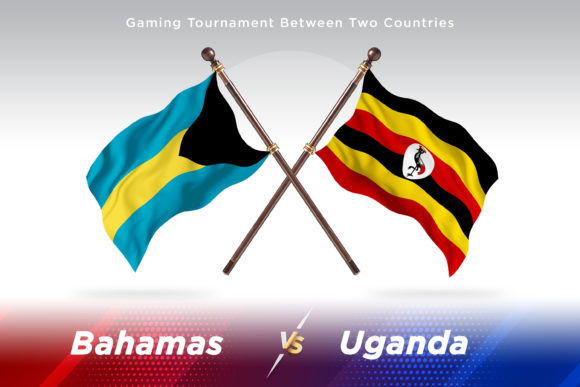
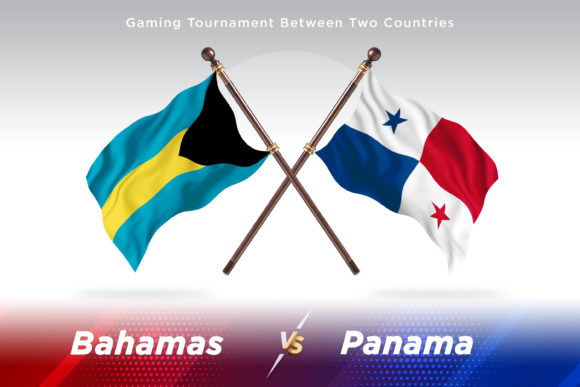
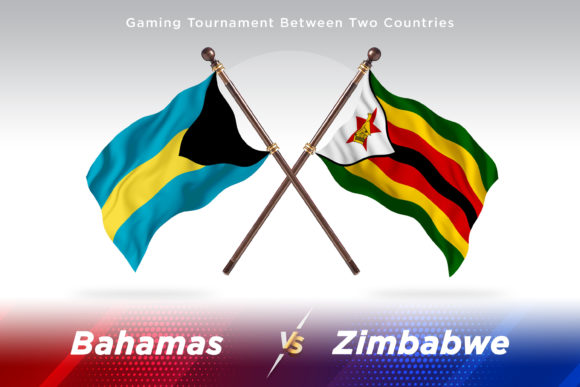
The flag of the Bahamas consists of a black equilateral triangle on the hoist side, with three horizontal stripes: aquamarine at the top and bottom, and gold in the middle. The black triangle points toward the fly end. At first glance, it feels clean, tropical, and forward-moving. The aquamarine represents the water surrounding the islands, the gold stands for the sand and sun, and the black triangle symbolizes the strength and unity of the Bahamian people.
Design strengths of the Bahamas flag
One of the flag's strongest qualities is its visual balance. The black triangle anchors the composition, while the bright, contrasting stripes create a rhythm that feels both calm and energetic. The color palette is simple but distinct—aquamarine and gold are not overused globally, which helps the flag stand out. From a distance, the flag remains readable, which is a critical feature for any design meant to be flown, printed, or displayed digitally.
For graphic designers and brand strategists, the Bahamas flag offers a masterclass in restraint. It uses just three colors and two geometric elements, yet it communicates geography, culture, and aspiration without clutter. The black triangle also introduces a directional element, subtly guiding the viewer's eye from left to right—a subconscious cue that aligns with how Western audiences read content. This kind of intentional composition can inspire logo designs, website headers, or presentation slides where clarity and direction matter.
What the Zimbabwe Flag Looks Like and Why It Stands Out
Zimbabwe's flag is more complex. It features seven horizontal stripes of green, gold, red, and black, arranged in a repeating pattern. On the hoist side sits a white triangle bearing a red star and a bird—the Zimbabwe Bird, a national emblem derived from ancient soapstone carvings found at Great Zimbabwe. The stripes represent the land, mineral wealth, liberation struggle, and heritage of the nation, while the bird and star point toward future aspirations and continuity.
Notable qualities of the Zimbabwe flag
Zimbabwe's flag is dense with meaning. Each stripe and symbol has a specific reference, making it a rich resource for educators, historians, and anyone studying national identity. The use of black, red, gold, and green aligns with Pan-African colors, linking Zimbabwe to a broader continental movement. The Zimbabwe Bird adds a layer of cultural specificity that few flags achieve—it is not a generic eagle or lion but a unique archaeological artifact that grounds the flag in tangible heritage.
For content creators and marketers, this flag demonstrates how to layer messaging without losing coherence. Despite its complexity, the flag remains visually striking because the stripes follow a clear pattern, and the white triangle provides a focal point. The red star adds a graphic counterpoint to the organic bird motif. This interplay between structured repetition and symbolic individuality can inform design projects that need to balance brand guidelines with distinctive storytelling.
Practical Applications for Creatives, Educators, and Professionals
Comparing these two flags goes beyond trivia. Here are several ways you might apply what they offer:
Design and branding inspiration
The Bahamas flag shows how minimalism can express depth. If you are developing a brand identity for a tourism company, a wellness product, or a coastal lifestyle service, the aquamarine-gold-black palette could translate well into logos, packaging, or digital assets. The Zimbabwe flag, on the other hand, demonstrates how to incorporate cultural symbols into a modern format. If your brand has a heritage angle—think artisanal goods, cultural tourism, or educational platforms—studying how Zimbabwe balances pattern and emblem can guide your own visual hierarchy.
Educational and presentation use
Teachers and workshop facilitators can use the flags to explain symbolism, color theory, or post-colonial identity. A side-by-side comparison invites discussion about how geography influences design. For example, the Bahamas flag draws directly from the natural environment (water, sand, sun), while Zimbabwe's flag draws from political history and cultural heritage. This contrast helps students see that design choices are never arbitrary—they respond to context. In a presentation, the two flags can anchor a segment on visual storytelling or national branding.
Travel and cultural awareness
For travelers, knowing what a flag represents deepens respect for the places you visit. If you are planning a trip to the Bahamas, recognizing the black triangle as a symbol of unity rather than a random shape adds a layer of appreciation. In Zimbabwe, understanding that the bird comes from Great Zimbabwe—a UNESCO World Heritage site—gives you a conversation starter and a reason to explore archaeological history. For travel bloggers and content creators, weaving these details into guides or social posts adds authenticity that audiences notice.
Marketing and engagement strategies
Both flags can function as visual shorthand in campaigns. If you are running a multicultural promotion, a design challenge, or a social media series about world cultures, these two flags provide strong, recognizable anchors. The Bahamas flag works well for upbeat, aspirational content; the Zimbabwe flag suits content that highlights resilience, tradition, and vision. Using flag motifs—with permission and respect—can increase engagement because flags carry emotional weight. Marketers should ensure that the usage is contextually appropriate, especially when symbols like the Zimbabwe Bird hold sacred or political significance.
Benefits Across Environments: From Digital to Commercial
In digital spaces, both flags are fairly easy to render. The Bahamas flag works well in small sizes, such as app icons or sticky headers, because its geometric simplicity retains clarity. The Zimbabwe flag requires more detail, especially the bird, which can become muddy at low resolutions. If you are designing for mobile or thumbnail contexts, consider simplifying the bird into a silhouette or using it only at larger breakpoints. This practical consideration can save you from poor print or screen results.
In commercial environments, flags often appear in retail spaces, travel agencies, or international trade displays. The Bahamas flag's bright, warm palette can attract attention and convey a premium tropical feel. Zimbabwe's flag, with its deeper tones and layered symbolism, works well in settings that emphasize cultural richness—such as fair trade shops, art galleries, or educational exhibits. Understanding these differences helps business owners choose environments where the flag's presence feels natural rather than forced.
Practical Considerations When Using These Flags
Whether you are referencing flags in a design project, an article, or a product, keep these points in mind:
- Respect usage guidelines. National flags are protected symbols. Avoid distorting them, adding text, or using them in ways that could be perceived as disrespectful. For commercial use, check whether local laws require permission.
- Mind color accuracy. The Bahamas aquamarine and Zimbabwe gold have specific official shades. If you are reproducing the flags in print or digital media, use the official color references (often available from government or vexillology sources) to avoid mismatched visuals.
- Consider cultural context. The Zimbabwe Bird and red star carry meanings that may not translate universally. If you are using the flag in an international campaign, pair it with explanatory context to prevent misinterpretation.
- Test readability. As mentioned, the Zimbabwe flag's bird can lose detail at small scales. Always test how the flag renders at the intended size—whether on a business card, a website footer, or a banner ad.
Which Flag Resonates More?
There is no winner in a comparison like this. The Bahamas flag excels at clarity, memorability, and emotional warmth. It invites you to imagine turquoise water and golden beaches, but it also carries a message of unity that goes deeper than tourism. The Zimbabwe flag excels at storytelling, cultural grounding, and visual richness. It rewards close attention and offers layers of meaning that unfold over time. Both flags achieve what flags are meant to do: represent a nation's identity in a way that is both immediate and enduring.
For professionals and creators, studying flags like these sharpens your design instinct, expands your cultural literacy, and gives you ready-made examples of how symbols work. Whether you borrow a color palette, a compositional trick, or a storytelling approach, these two flags offer more than national pride—they offer practical lessons in visual communication that you can apply today.