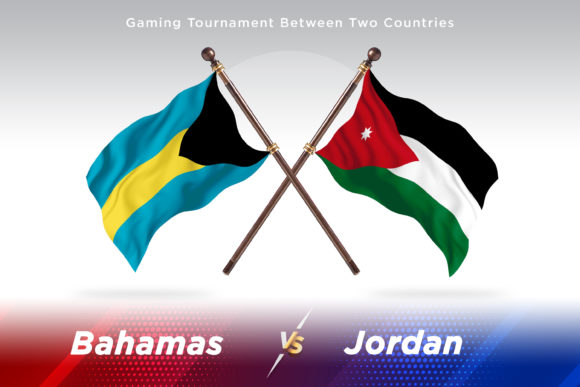
Bahamas vs Jordan: Two Flags Compared
Flags are more than national symbols. They carry history, identity, and purpose. At first glance, the flags of the Bahamas and Jordan look nothing alike. One uses ocean blues and a bold black triangle; the other uses pan-Arab colors with a prominent red chevron and white star. But comparing them reveals insights about culture, geography, and design. Whether you are planning a trip, designing a presentation, teaching a class, or running a marketing campaign, understanding what each flag represents can inform your work and decision making.
Understanding the Bahamas Flag Design and Symbolism
The flag of the Bahamas features three horizontal stripes: aquamarine, gold, and aquamarine. A black equilateral triangle extends from the hoist side. The aquamarine stripes symbolize the water surrounding the islands, gold represents the sand and sun, and the black triangle stands for the strength and unity of the Bahamian people. Adopted in 1973 upon independence, the design is modern, clean, and instantly connected to the tropical environment.
For travelers, this flag is a visual cue of destination branding. It appears on resort logos, airport signage, and official documents. If you are a travel blogger or tour operator, using the flag accurately helps build credibility with your audience. Business owners importing goods from the Bahamas may also want to understand flag etiquette for packaging or trade shows.
Why Designers and Creators Look at the Bahamas Flag
Designers often appreciate the flag’s simplicity and strong contrast. The deep black against bright aquamarine and gold creates high visibility, even at small sizes. For a creator working on a website about Caribbean culture or an entrepreneur building a Bahamian-themed product line, the color palette can serve as a starting point for visual identity. The flag’s straightforward geometry also makes it easy to replicate in digital or print formats, reducing the risk of misrepresentation.
Jordan's Flag: Pan-Arab Colors and History
Jordan’s flag consists of three horizontal bands: black, white, and green, with a red triangle at the hoist containing a white seven-pointed star. The colors are pan-Arab, representing the Abbasid, Umayyad, and Fatimid caliphates, with the red triangle symbolizing the Hashemite dynasty. The star stands for the seven verses of the first surah of the Quran and also for the unity of the Arab people. Adopted in 1928, the flag carries deep historical and religious significance.
For educators teaching Middle Eastern history or geography, the Jordanian flag is a rich case study. It allows discussion of colonial history, national identity, and modern regional politics. Marketers targeting audiences in the Arab world may use the flag to signal cultural awareness, but must do so carefully to avoid cliché or oversimplification. Professionals in international business can reference the flag when preparing country profiles or trade briefs.
How Hobbyists and Collectors Approach the Jordan Flag
Flag enthusiasts often note the Jordanian flag’s distinctive star and chevron. Collectors value physical flags with accurate proportions and fabric quality. For a hobbyist comparing the two flags, Jordan’s design offers more complexity: the star orientation, shade of red, and precise arrangement of stripes matter for authenticity. Beginners might focus on color matching, while experienced collectors check stitching and material durability.
Why Compare Bahamas and Jordan Flags?
Comparing two flags with different design traditions and purposes can help you think more critically about symbolism, audience, and context. The comparison matters differently depending on who you are:
- Travelers and adventurers may compare the flags to understand destination culture before visiting. Knowing that the Bahamas flag reflects its geography and unity, while Jordan’s flag reflects its historical roots, can enrich travel experiences.
- Educators and students use comparisons to analyze how national symbols convey values. A lesson might contrast how the Bahamas uses color to represent natural elements and how Jordan uses color to represent dynastic history.
- Marketers and brand strategists need to use flags correctly to avoid offending or confusing audiences. A campaign featuring both countries (for example, a travel package or cultural event) must respect each flag’s design rules and connotations.
- Creators and designers may extract color palettes, shape ideas, or composition techniques. The Bahamas flag’s large triangle and limited palette offer a modern feel; Jordan’s flag offers multiple stripes and a central star with historical weight.
- Business owners importing or exporting goods from either country may need to display flags on websites, packaging, or promotional materials. Accuracy builds trust, especially when targeting diaspora audiences.
Beginners and Hobbyists
If you are new to flag study, start with the basic facts: adopt dates, color meanings, and common proportions. For the Bahamas, the ratio is 1:2. For Jordan, it is also 1:2. Note that the black triangle in the Bahamas flag must extend exactly to the center of the flag. For Jordan, the star must be centered in the red triangle with one point upward. These small details matter if you are drawing flags by hand or sewing them. Using a ruler and reliable reference images will save you time.
Professionals and Entrepreneurs
Suppose you run a small travel agency offering packages to both destinations. You want to feature both flags on your website. Instead of generic clip art, invest in high-quality vector files. The Bahamas flag’s bold shape looks good on hero images, while Jordan’s flag works well in infographics about cultural tours. Ensure color values match official specifications. The Bahamas blue is Pantone 2975, gold is Pantone 123. Jordan red is Pantone 186, green is Pantone 355. These standards help maintain a professional appearance across print and digital media.
Educators and Content Creators
You might create a lesson comparing island nations and landlocked nations. The Bahamas flag emphasizes nature and independence; Jordan’s flag emphasizes heritage and religion. Ask students to discuss why these differences exist. For a YouTube video or blog post, show the flags side by side and annotate key elements. This visual comparison helps viewers remember the meaning behind each design. The learning value is high because both flags are distinct enough to avoid confusion, yet each illustrates a different approach to national identity.
How to Choose Whether This Comparison Matches Your Goals
Ask yourself what you need from this information. If you are a freelance writer researching an article, you may prioritize accuracy and historical context. If you are a small business owner creating a product line inspired by the Caribbean or the Middle East, you might focus on color harmony and cultural sensitivity. If you are a beginner hobbyist, you may simply enjoy knowing the stories behind two beautiful flags.
Consider your skill level. Beginners should start with the official descriptions and common mistakes to avoid. Experienced users may want to explore the flags’ usage in different media, like digital icons, print advertisements, or merchandise. The comparison is flexible enough to serve both groups without feeling shallow or overly technical.
Cost is rarely an issue because flag knowledge is freely available. The time cost of learning details is low, but the benefit—whether for travel prep, design inspiration, or teaching—can be high. Quality of information matters: use government sources, academic references, or reputable vexillology sites to verify facts.
Common Mistakes When Comparing the Bahamas and Jordan Flags
Because both flags use black and red, some people confuse them at a glance. But the design structures are entirely different. The Bahamas flag has three horizontal stripes, Jordan has four horizontal stripes plus a triangle. Another error is misplacing the star on Jordan’s flag: it must be seven-pointed and oriented vertically. For the Bahamas, the triangle is black, not dark blue. Skipping these details can undermine credibility in professional or educational contexts.
If you are a marketer, using a flag incorrectly can offend audiences. For example, using a flag with wrong proportions or colors on a product may be seen as careless. A simple way to avoid this is to download vector files from official government sites or reputable icon libraries. For creators, pay attention to the flag’s aspect ratio: both are 1:2, so they scale consistently when placed side by side.
Long‑Term Usefulness for Different Groups
For lifelong learners, comparing flags opens doors to understanding geopolitical history, art, and identity. The Bahamas flag reminds us of a small island nation’s journey to independence. Jordan’s flag reflects centuries of regional change. This knowledge stays relevant as both countries evolve on the world stage.
Marketers and entrepreneurs may reuse flag imagery in different campaigns. Understanding the symbolism behind each design helps you communicate nuance without relying on stereotypes. For example, using the Bahamas flag to evoke relaxation is appropriate, but pairing it with Jordan’s flag to suggest hospitality could work well if you frame the narrative around culture and welcome.
Creators and designers may find inspiration in the contrast between simplicity and complexity. The Bahamas flag is a masterclass in minimalism: three colors, one geometric shape. Jordan’s flag demonstrates how multiple elements can coexist without clutter. Both offer lessons in balance for logos, icons, or event graphics.
Whether you are a beginner exploring a new interest or a professional applying flag knowledge in your work, the comparison of the Bahamas and Jordan flags provides a structured way to think about national symbols, design choices, and cultural values. The depth of the topic grows as you dig deeper, but the entry point remains accessible to anyone willing to look closely at two distinct emblems from different parts of the world.