Bahamas Versus Mozambique Two Flags: Symbolism and Design Compared
Flags are far more than national symbols—they are visual stories that encode history, values, and aspirations. When you place the flags of the Bahamas and Mozambique side by side, you uncover two distinct narratives rooted in geography, struggle, and identity. For designers, travelers, educators, and anyone curious about cultural storytelling, comparing these two flags offers practical insights into how color, shape, and symbolism communicate meaning at a glance. This article explores the design elements, historical contexts, and everyday relevance of the Bahamas and Mozambique flags, helping you see these banners not just as national emblems but as tools for understanding, creativity, and connection.
Why Compare Two Seemingly Unrelated Flags?
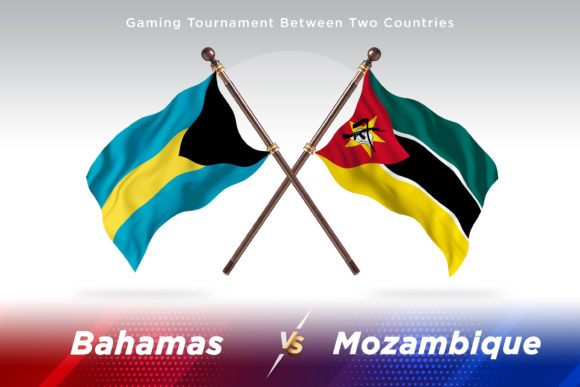
At first glance, the Bahamas and Mozambique share little in common—one is a Caribbean archipelago, the other a southeastern African nation. Yet comparing their flags reveals universal principles of visual communication. Whether you are a marketer designing a brand identity, a teacher explaining symbolism to students, or a traveler seeking deeper cultural appreciation, analyzing flag design sharpens your ability to read visual language. The Bahamas flag uses bold horizontal bands and a triangular motif to evoke ocean, sun, and land, while Mozambique’s flag incorporates a book, hoe, and AK-47 to represent education, agriculture, and defense. By examining both, you learn how abstract and literal symbols each serve distinct purposes—and how context determines effectiveness.
Color Palette and Composition
The Bahamian flag consists of three horizontal bands—two aquamarine and one gold—with a black triangle on the hoist side. The aquamarine represents the Caribbean Sea and the sky, the gold stands for the sun and the land’s natural beauty, and the black triangle symbolizes the unity and strength of the Bahamian people. This abstraction allows the flag to convey emotion and identity without relying on literal objects. In contrast, the Mozambique flag features five colors: red, green, yellow, black, and white. Red recalls the struggle for independence, green represents agricultural wealth, yellow signifies mineral resources, and black stands for the African continent. The white-bordered red triangle contains a yellow star, an open book, a hoe, and a rifle. Here, the design leans heavily on explicit imagery to tell a story of struggle, knowledge, and livelihood.
For a graphic designer or brand strategist, this contrast is instructive. The Bahamas flag demonstrates how minimalist color blocking can evoke a sense of place and pride, making it adaptable for merchandise, tourism campaigns, and digital media. Mozambique’s flag, meanwhile, shows how layered imagery can communicate complex narratives—useful when your audience needs to grasp multiple values at once. Understanding when to abstract and when to specify is a skill that applies directly to logo design, presentation graphics, and even website headers.
Symbolism and Cultural Weight
Every element in the Bahamas flag points to natural environment and unity. The black triangle is not just a shape; it anchors the composition and grounds the lighter colors, giving the flag visual stability. For travelers, this symbolism reinforces the Bahamas as a destination of serene beauty and resilient communities. For educators, it offers a clear example of how color theory and geometric simplicity combine to express national identity without text.
Mozambique’s flag is one of the few in the world to feature a modern firearm, a detail that sparks conversation. The AK-47 alongside the hoe and the book represents the country’s path to independence and its ongoing priorities: peace, food security, education, and defense. For a small business owner exploring global markets, this flag highlights the importance of context—what might seem controversial in one setting is a proud symbol of liberation in another. For content creators and bloggers, discussing flags like Mozambique’s offers an opportunity to engage audiences with nuanced cultural stories that go beyond surface-level travel tips.
Enhancing Visual Communication Skills
Whether you are preparing a presentation, designing a social media graphic, or building a brand palette, studying the Bahamas versus Mozambique two flags sharpens your visual literacy. You learn how to use contrast—the cool aquamarine against warm gold and deep black—to create visual hierarchy. You also see how symbolic density (Mozambique) versus restraint (Bahamas) changes the viewer’s cognitive load. A marketer pitching a tourism campaign might borrow the Bahamas flag’s breezy clarity. A publisher designing a book cover about African history might draw on Mozambique’s emblematic density. The practical takeaway is that neither approach is superior; the right choice depends on your message and audience.
Saving Time in Creative Projects
When you understand flag design principles, you can make faster decisions about color combinations, iconography, and layout. Instead of starting from scratch, you reference proven solutions. For example, the Bahamas flag’s tri-band layout with an offset triangle is a memorable composition that could inspire a logo or a brochure cover. Mozambique’s placement of symbols within a triangle offers a template for badge-style designs. By keeping a mental archive of flag designs, you reduce iteration time and increase confidence in your creative choices.
Strengthening Communication in Educational Settings
Teachers and educators can use the Bahamas versus Mozambique two flags as a case study for lessons on symbolism, history, geography, and graphic design. Students can compare how each flag answers the question: “What does our nation value?” The Bahamas emphasizes natural beauty and unity; Mozambique emphasizes sacrifice, education, and survival. This comparison sparks critical thinking about how different societies choose to represent themselves. It also provides a concrete example for lessons on color meaning and emblem design, making abstract concepts tangible.
Who Benefits Most from This Comparison?
- Graphic designers and brand strategists gain practical inspiration for color palettes, composition, and symbolic storytelling.
- Travelers and tourism professionals deepen their understanding of destination identity and cultural nuance.
- Educators and curriculum developers find a ready-made example for teaching visual literacy, history, and civics.
- Content creators and bloggers discover engaging topics that combine design critique with cultural exploration.
- Small business owners and entrepreneurs learn how to communicate core values through simple visual elements—a skill directly transferable to logos, packaging, and store design.
Each of these groups can extract something specific. A designer might focus on how the black triangle in the Bahamas flag creates movement and balance. An educator might focus on the historical events that shaped Mozambique’s emblem choices. A travel blogger might write about how flag symbolism influences visitor expectations. The versatility of this topic is its strength—it rewards curiosity and expertise at every level.
Using Flag Analysis in Content Marketing
If you run a blog or social media channel covering travel, design, or culture, comparing flags like those of the Bahamas and Mozambique can generate high engagement. These posts are visually rich, easy to scan, and shareable. You can create a side-by-side infographic, a short video breaking down each element, or a carousel post inviting followers to guess the symbolism. The key is to focus on the story behind each design rather than just listing facts. For example, explain why the Bahamas chose a black triangle instead of a star, or why the AK-47 on Mozambique’s flag remains unchanged despite international debate. These details invite discussion and position you as a thoughtful commentator.
Applying Flag Design Principles to Your Own Projects
When creating a presentation, website header, or brand identity, ask yourself: “What message do I want to convey in under three seconds?” The Bahamas flag answers this with calm, open, and unified. Mozambique’s flag answers with strength, resilience, and layered meaning. Test both approaches in your work. If your project needs to feel serene and inclusive, lean toward a limited palette and simple geometry. If your project needs to convey multiple values or a complex origin story, consider an emblematic approach with clear icons. Neither choice is wrong—but being intentional about it improves your outcomes.
Teaching with Flags in the Classroom or Online
For educators, the Bahamas versus Mozambique two flags offers a rich comparative exercise. Ask students to describe each flag without using color names, then discuss how effectively they communicated. Or challenge them to redesign a flag for a fictional nation using elements from both approaches. This reinforces skills in critical thinking, symbolism, and visual communication. For online course creators, this comparison can be a module within a larger lesson on national identity or design history.
Limitations and Considerations When Comparing Flags
While comparing flags is illuminating, it is important to avoid oversimplification. Flags are deeply tied to unique historical and political contexts. The AK-47 on Mozambique’s flag, for example, represents a specific liberation struggle—it should not be reduced to a design trend. Similarly, the Bahamas flag’s simplicity emerged from a post-independence desire for a clean break from colonial symbolism. When using flag comparisons in your work, always pair visual analysis with cultural context. Acknowledge that symbols evolve and that their meanings can shift over time. This approach aligns with Google’s E-E-A-T principles by demonstrating real expertise and respect for the subject.
Another consideration is audience sensitivity. If you are creating content for an international audience, be aware that some symbols may carry different connotations. The AK-47, for instance, might be unsettling for viewers from countries with high gun violence. The black triangle in the Bahamas flag might evoke different associations in other cultural contexts. Good content acknowledges these nuances and frames them thoughtfully. This does not weaken your article—it strengthens your credibility and builds trust with readers.
Final Thoughts on Comparing the Bahamas and Mozambique Flags
The flags of the Bahamas and Mozambique may seem like an unlikely pairing, but examining them together reveals core principles of visual communication that apply far beyond national borders. Whether you are solving a design problem, teaching a class, planning a trip, or creating content, understanding how abstraction and symbolism work in each flag helps you make better creative and strategic decisions. The Bahamas flag offers a masterclass in clarity and emotional resonance, while Mozambique’s flag demonstrates how to pack meaning into a confined space without losing cohesion. By studying both, you become more fluent in the language of flags—and more adept at using that language in your own work.