Bangladesh vs Timor-Leste: The Stories Behind Two Distinctive National Flags
Flags are far more than colorful pieces of cloth fluttering in the wind. They are living symbols of a nation's identity, history, and aspirations. When we place the flag of Bangladesh next to the flag of Timor-Leste, we see two very different designs that both carry deep meaning. For the casual observer, Bangladesh Versus Timor-Leste Two Flags might seem like an odd pairing. But once you understand the unique stories each flag tells, you begin to appreciate how geography, struggle, and hope can be captured in fabric and color.
This article takes you through the meaning, history, and symbolism of both national flags. Whether you are a student, a traveler, or simply curious about world cultures, you will gain a clear understanding of what makes these two flags so special.
Understanding the Flag of Bangladesh
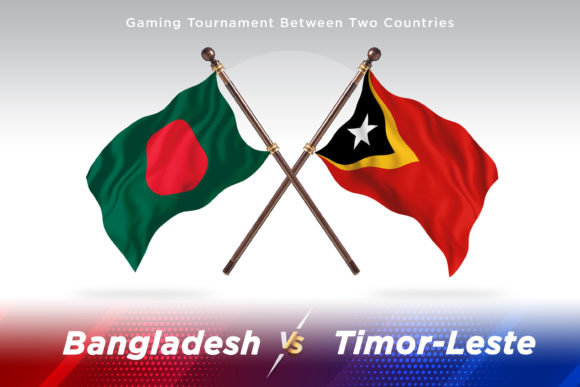
The national flag of Bangladesh is one of the most recognizable in South Asia. Adopted on January 17, 1972, shortly after the country gained independence, the flag is simple yet powerful. It consists of a red circle on a deep green background. At first glance, it resembles the flag of Japan or Palau, but the symbolism is entirely unique to Bangladesh's story.
The Symbolism Behind the Colors and Design
The green field of the Bangladeshi flag represents the lush vegetation and natural beauty of the country. Bangladesh is a land of rivers, deltas, and fertile plains. The green also stands for the youth and vitality of the nation, as well as its Islamic heritage. The red circle is not simply a sun. It symbolizes the bloodshed and sacrifice of the Bengali people during the Bangladesh Liberation War of 1971. More than three million people lost their lives in that struggle for independence. The red disc also represents the rising sun of a new nation, full of hope and determination.
One common misunderstanding is that the red circle is perfectly centered. In reality, the red disc is placed slightly off-center toward the hoist side. This subtle offset creates a visual balance that makes the flag appear more dynamic when flying. This design choice is intentional and reflects a careful aesthetic consideration.
Historical Context of the Bangladesh Flag
Before independence, during the period of East Pakistan, the region did not have its own distinct flag. The original flag of the Bangladesh independence movement featured a map of the country in gold inside the red circle. However, after independence, the map was removed to simplify the design and make it easier to reproduce. This change also helped avoid potential disputes over territorial boundaries. The flag we see today has remained unchanged since 1972.
The flag of Bangladesh is a constant presence at national events, schools, and government buildings. It is flown with pride on Independence Day (March 26) and Victory Day (December 16). The flag also appears during the Bengali New Year celebrations and other cultural festivals.
Understanding the Flag of Timor-Leste
The flag of Timor-Leste, also known as East Timor, is equally rich in meaning. Adopted on May 19, 2002, when the country formally regained independence after decades of occupation, the flag is a bold statement of resilience. It features a red field with a black isosceles triangle at the hoist side, overlapped by a yellow triangle. At the center of the black triangle is a white star.
The Symbolism Behind the Colors and Design
Red in the Timor-Leste flag represents the suffering and bloodshed endured by the Timorese people during their long struggle for independence from Portuguese colonial rule and subsequent Indonesian occupation. It is a color of sacrifice and courage. The black triangle symbolizes the challenges and difficulties the nation has had to overcome, including the centuries of colonization and the more recent conflict. The yellow triangle stands for the richness of the country's natural resources, particularly its oil and gas reserves, as well as the brightness of hope for the future. The white star is the guiding light of peace, unity, and the path forward for the nation.
The design of the flag is distinctive because of the layered triangles. This shape is not common among national flags, which makes Timor-Leste's flag stand out in any collection. The white star with five points is a classic symbol of guidance and aspiration.
Historical Context of the Timor-Leste Flag
The flag was originally adopted by the Revolutionary Front for an Independent East Timor (FRETILIN) in 1975 when the country first declared independence. However, that independence was short-lived, as Indonesia invaded and annexed the territory. The flag was then used by the resistance movement throughout the years of occupation. When independence was finally secured in 2002, the same flag was adopted as the official national flag. This continuity means that the flag is deeply tied to the national identity and the memory of the struggle.
Today, the flag of Timor-Leste is flown proudly at the Palácio do Governo in Dili and at schools, public buildings, and community centers across the country. It is a symbol of hard-won freedom and the resilience of the Timorese people.
Comparing Bangladesh and Timor-Leste: Two Flags, Two Stories
Now that we understand each flag individually, let us directly compare Bangladesh Versus Timor-Leste Two Flags. At first glance, the designs are completely different. Bangladesh uses a simple green field with a red disc, while Timor-Leste uses a red field with layered triangles and a star. But the deeper comparisons reveal surprising parallels.
Similarities Between the Two Flags
- Connection to struggle and sacrifice: Both flags prominently feature red to honor the bloodshed of their independence movements. In Bangladesh, the red disc itself represents sacrifice. In Timor-Leste, the entire red field does the same.
- Hope for the future: Both flags also incorporate symbols of hope. Bangladesh's rising sun is a promise of a new beginning. Timor-Leste's white star is a beacon of peace and guidance.
- National pride: Both flags are deeply revered by their citizens. They are displayed during national holidays, at sporting events, and in daily life. They serve as unifying symbols for diverse populations.
- Relatively recent adoption: Both flags are modern in the context of world flags. Bangladesh's flag dates from 1972, and Timor-Leste's from 2002. Both nations achieved independence in the late 20th or early 21st century.
Key Differences Between the Two Flags
- Color palette: Bangladesh uses two colors (green and red). Timor-Leste uses four (red, black, yellow, and white). The Bangladesh flag is minimalist, while Timor-Leste's flag is more complex.
- Geographical and cultural symbolism: Bangladesh's green reflects its lush landscape and Islamic heritage. Timor-Leste's yellow symbolizes natural resources, and its black represents the hardships of occupation. The flags reflect entirely different environments and histories.
- Design structure: Bangladesh has a simple round shape on a rectangular field. Timor-Leste uses geometric triangles and a star. The visual impact is very different: the Bangladesh flag feels calm and centered, while the Timor-Leste flag feels dynamic and layered.
- Historical usage: Bangladesh's flag was designed before independence for the liberation movement and then formalized. Timor-Leste's flag was used by a resistance movement for decades before becoming the official national flag. This gives the Timor-Leste flag a particularly strong tie to a prolonged struggle.
Why Flags Matter in Modern Life
Flags like those of Bangladesh and Timor-Leste do more than represent countries on the world stage. They are used in education to teach history and civic pride. They appear in sports, diplomacy, and international culture. For diaspora communities, flags are a connection to home. For travelers, flags are a visual introduction to a nation's values.
Understanding the meaning behind a flag transforms a simple image into a story. When you see the flag of Bangladesh, you are reminded of the sacrifice of millions and the beauty of the Bengali landscape. When you see the flag of Timor-Leste, you recall the resilience of a people who waited decades for freedom. This deeper appreciation makes us more informed global citizens.
Common Misunderstandings About These Flags
One common error is assuming the Bangladesh flag is identical to Japan's flag. While both have a red circle on a white or green background, the colors and meanings are entirely different. Japan's red circle represents the sun, while Bangladesh's represents blood and sacrifice. The green of Bangladesh also distinguishes it clearly.
Another misconception is that Timor-Leste's flag is similar to the flag of the Philippines or other Southeast Asian nations. While there is some visual resemblance due to the use of triangles and stars, the specific arrangement and colors are unique to Timor-Leste. The black triangle is particularly distinctive.
Some people also assume that the flags were designed by professional vexillologists (flag experts). In both cases, the flags were designed by ordinary citizens and activists who wanted to capture the spirit of their movements. This grassroots origin adds to their authenticity and emotional power.
Practical Relevance: Flags in Travel and Business
If you are traveling to Bangladesh or Timor-Leste, knowing the flag and its meaning shows respect for the local culture. In business, using the correct flag in presentations or marketing materials demonstrates attention to detail. In education, flags are a gateway to teaching about history, geography, and identity.
The flags also appear in digital contexts. Emoji versions of both flags are widely used in social media and messaging apps. For example, the Bangladesh flag emoji (🇧🇩) and the Timor-Leste flag emoji (🇹🇱) allow people to express national pride or show solidarity online.
Conclusion: More Than Just Fabric
The comparison of Bangladesh Versus Timor-Leste Two Flags is not just about color and shape. It is about understanding the journeys of two nations that fought hard for their place in the world. Bangladesh's flag is a symbol of a swift and costly liberation, while Timor-Leste's flag is a symbol of a long and patient struggle for freedom. Both are beautiful in their own right, and both deserve to be understood and respected.
Next time you see a flag—whether at an airport, a news broadcast, or a cultural festival—take a moment to consider the story it carries. You might be surprised at how much a simple design can tell you about a nation's heart.