Bangladesh Versus Lesotho Two Flags: Design, Symbolism, and Identity
If you've ever found yourself searching for "Bangladesh versus Lesotho two flags," you likely appreciate how much a national banner can communicate. At first glance, the deep green field of Bangladesh and the horizontal tricolor of Lesotho appear to belong to entirely different design traditions. Yet both are powerful exercises in national storytelling. For creators, marketers, and globally minded professionals, understanding the reasoning behind these designs offers a blueprint for authentic representation in a digital world. Let's explore what makes these flags iconic, how they have changed over time, and why their symbolism matters far beyond their borders.
What Sets the Bangladeshi and Lesotho Flags Apart
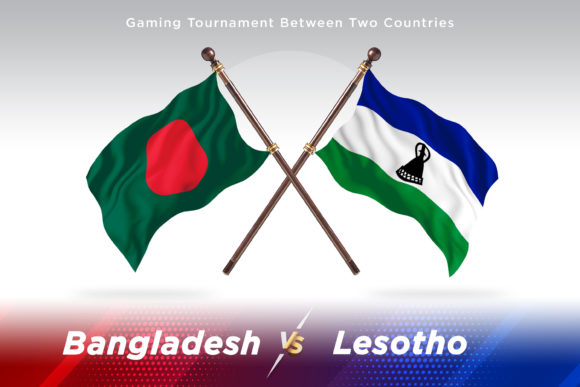
The most immediate difference is structure. Bangladesh uses a simple, vivid green field with a red disc slightly offset toward the hoist. Lesotho displays a horizontal tricolor of white, blue, and green, anchored by a black Basotho hat—the mokorotlo—at the center. Both are instantly recognizable, but they achieve recognition through very different visual strategies.
- Bangladesh: The green represents the lush landscape and the youth of the nation. The red disc is both the sun rising over Bengal and the blood of those who sacrificed during the 1971 Liberation War. The offset position creates a sense of motion, as if the sun is actively rising.
- Lesotho: The colors carry layered meaning. White stands for peace, blue represents rain and the sky, and green symbolizes agricultural prosperity. The mokorotlo is a direct tribute to Basotho cultural heritage and national unity.
These basics are more than trivia. They form the foundation of visual literacy. In an era when brands and individuals communicate across cultures instantly, recognizing the purposeful thought behind a national symbol helps avoid generic or disrespectful use of imagery.
Bangladesh: From Struggle to a Timeless Icon
The flag of Bangladesh was first raised during the 1971 Liberation War. The original design included a golden map of the country inside the red disc. Leaders soon realized the map was difficult to reproduce and hard to recognize from a distance, so it was removed. This decision mirrors a broader principle in effective flag design: make it simple enough for a child to draw yet deep enough for a scholar to analyze. The result is one of the most striking national flags in the world, built on high contrast and clean geometry.
Lesotho: Adapting for National Unity
Lesotho's flag has undergone significant change since independence in 1966. The current version, adopted in 2006, replaced an earlier design that featured a military shield and traditional weapons. The shift to a peaceful cultural symbol—the mokorotlo—was intentional. It signaled a move toward stability, unity, and pride in Basotho identity. This evolution is a case study in how nations reevaluate their visual branding to reflect current values and aspirations. For marketers and brand strategists, it is a valuable example of rebranding with cultural sensitivity.
Why the Bangladesh vs Lesotho Flag Comparison Matters Now
You might be reading this as a travel blogger planning a series on South Asia or Southern Africa. Or perhaps you are a freelancer designing a global business presentation. The practical relevance of the Bangladesh versus Lesotho two flags comparison extends well beyond casual curiosity.
For content creators and marketers, using flag imagery without context feels hollow. If you feature the Lesotho flag in a campaign, understanding that the hat is a revered cultural artifact adds depth to your narrative. Similarly, knowing that the red disc on the Bangladesh flag is deliberately off-center shows an attention to detail that discerning audiences appreciate. These nuances build trust and credibility with international viewers.
For educators and lifelong learners, the study of flags—vexillology—is a gateway to geography, history, and cultural anthropology. The Bangladesh versus Lesotho comparison is a perfect example of how two nations can use similar colors for entirely different reasons. Both flags feature green, but in Bangladesh it evokes the fertile delta, while in Lesotho it represents hope for agricultural abundance in a mountainous kingdom. Discussing these distinctions in a classroom or online course encourages critical thinking about symbolism and cultural context.
For business owners, accurate representation of national symbols on internationalized websites, packaging, or corporate communications signals cultural competence. In a globalized marketplace, small details communicate respect. Using the correct shade of green or the proper orientation of a symbol can differentiate a brand that is thoughtful from one that is careless.
Simplicity Scales, Complexity Requires Space
Bangladesh’s flag works exceptionally well at small sizes—think social media avatars or mobile app icons—because of its high contrast and minimal geometry. Lesotho’s flag requires a bit more room to render the mokorotlo clearly. When designing your own brand assets, ask yourself: how does this look at 16 by 16 pixels? If details become muddled, simplification may be necessary.
Context Determines Meaning
Both flags use green, but their symbolic meaning is culturally specific. Assuming universal color associations can lead to marketing missteps. Before launching a global campaign, research how colors and symbols are perceived in each target market. The Bangladesh flag’s green is a specific, vibrant shade tied to national identity, while Lesotho’s green is part of a broader tricolor that emphasizes balance between peace, rain, and prosperity. Understanding these distinctions makes your content more authentic.
Authentic Details Resonate Deeper
Lesotho’s choice to feature a traditional hat rather than a generic star, shield, or animal gives its flag a uniquely recognizable identity. For businesses, leaning into what makes your brand genuinely distinct—rather than emulating competitors—builds stronger recognition and emotional connection. The lesson is straightforward: authenticity is memorable.
Flags in the Digital Age: New Challenges and Opportunities
The way we interact with national flags has shifted dramatically. Emoji, digital avatars, and streaming graphics place flags in contexts unimaginable a generation ago. The flag emoji for Lesotho was only added to Unicode in 2016, meaning digital representation is still relatively new for this symbol. For creators building global content, this is a reminder that not all audiences have the same digital experience with these symbols.
When including flags in digital materials, consider accessibility. Write descriptive alt text that explains the symbolism rather than simply naming the country. For example, "the flag of Lesotho features a black Basotho hat at the center, symbolizing cultural unity, surrounded by stripes of white, blue, and green." This approach aligns with SEO best practices and makes your content more useful to a wider audience.
Additionally, the rise of print-on-demand and custom merchandise has made flag design a practical concern for small businesses. If you sell products featuring national symbols, accuracy is essential. Use verified color codes and design specifications to ensure your products respect the original intent of the flag designers.
Grounded Observations for Curious Professionals
The comparison of Bangladesh versus Lesotho two flags is not about ranking or preference. It is about understanding how two distinct nations package their history, values, and aspirations for the world. Both flags succeed because they are rooted in local identity rather than generic trends.
- Bangladesh proves that a minimal design can carry profound emotional weight. A single disc on a solid field tells a story of sacrifice, natural beauty, and national pride.
- Lesotho demonstrates that cultural specificity is a strength. The mokorotlo makes the flag instantly recognizable and deeply meaningful to its people.
For professionals in marketing, education, or creative fields, there is a clear takeaway: the most effective symbols are simple enough to recognize quickly yet rich enough to discuss at length. Whether you are designing a logo, planning a travel series, or teaching a geography class, ask yourself what story your visuals are telling. If they lack depth, there is an opportunity to go deeper.
The next time you see the flags of Bangladesh and Lesotho side by side, you will see more than green, red, white, blue, and a hat. You will see a sunrise over the Bay of Bengal and the highlands of Southern Africa. You will see stories of liberation, peace, and cultural pride. For anyone working in a global context—entrepreneurs, educators, creators, or curious readers—that kind of understanding is an invaluable tool.