Bahamas Versus Nauru: Two Flags, Two Stories
Flags are more than pieces of fabric. They carry history, identity, and pride in every stripe and symbol. When you place the flag of the Bahamas next to the flag of Nauru, you might notice some surface similarities—both are small island nations with deep ties to the sea, and both use blue as a dominant color. But the stories behind each design are completely different. Whether you are a traveler, a student of geography, a content creator, or simply someone curious about world symbols, understanding what makes these two flags distinct offers a richer appreciation for how nations express themselves visually.
This article walks through the key elements of the Bahamas flag and the Nauru flag, explains what each represents, and explores why someone might care about the differences. You will also find practical examples of when this knowledge matters—from classroom lessons to branding projects to personal travel inspiration.
What the Bahamas Flag Looks Like and What It Means
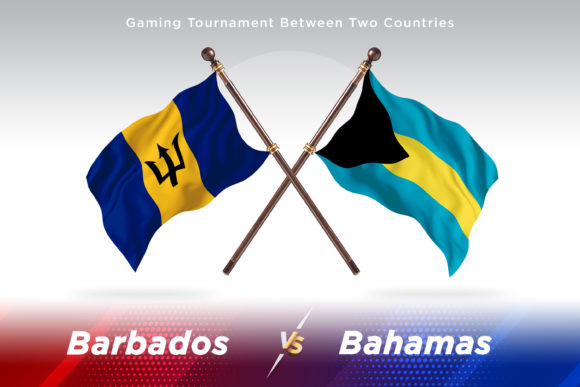
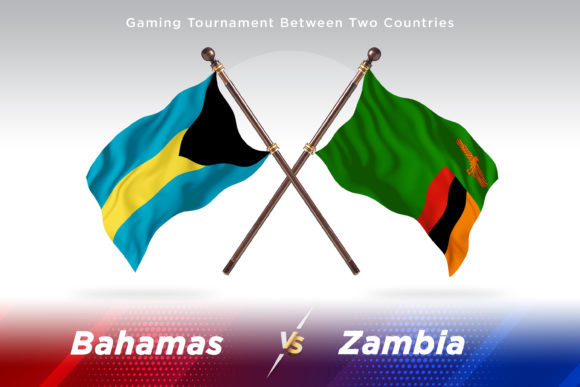
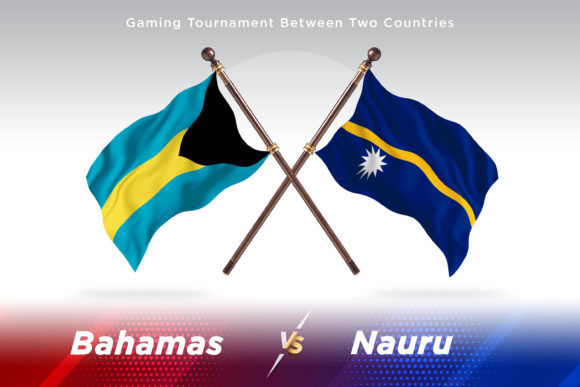
The national flag of the Bahamas was adopted on July 10, 1973, when the country gained independence from the United Kingdom. It features three horizontal stripes: two aquamarine stripes at the top and bottom, with a gold stripe in the middle. On the left side sits a black equilateral triangle that extends from the hoist toward the fly.
Each element carries clear meaning. The aquamarine stripes represent the water surrounding the archipelago—the Atlantic Ocean and the Caribbean Sea that define Bahamian life. The gold stripe stands for the land itself, the islands and the beaches, as well as the sun that shines year-round. The black triangle symbolizes the strength, unity, and resilience of the Bahamian people. Together, these colors and shapes create a flag that feels both grounded and optimistic.
For anyone looking at the Bahamas flag in a travel blog, a documentary, or a school project, the design immediately communicates a coastal identity. The flag does not rely on complex emblems or coats of arms. It speaks directly through color and geometry.
What the Nauru Flag Looks Like and What It Represents
Nauru, a small island nation in the central Pacific, adopted its flag on January 31, 1968, shortly before gaining independence. The design is simpler but just as symbolic. The flag has a dark blue field divided horizontally by a thin gold stripe. Below that stripe, on the left side toward the hoist, sits a white twelve-pointed star.
The dark blue background represents the Pacific Ocean, which surrounds Nauru completely. The gold stripe stands for the Equator, since Nauru lies very close to this imaginary line. The white star with twelve points has a dual meaning: each point represents one of the twelve original tribes of Nauru, and the star itself symbolizes the nation’s independence. The star’s position below the gold stripe places Nauru geographically south of the Equator.
For educators, map enthusiasts, or anyone researching Pacific island nations, the Nauru flag offers a compact geography lesson. It tells you exactly where the country sits on the globe and nods to its cultural foundation in a single glance.
Comparing the Designs: Similarities and Differences at a Glance
Put the two flags side by side, and a few patterns emerge. Both use blue as a primary background color to reference the ocean. Both include a horizontal gold element—a full stripe in the Bahamas flag, a thin line in the Nauru flag. Both avoid cluttered imagery, favoring bold, readable symbols.
The differences, however, run deeper. The Bahamas flag uses three horizontal bands with a prominent triangle, giving it a dynamic, almost forward-moving feel. The Nauru flag is more minimal, with a single star as the focal point. The Bahamas flag leans into contrast and energy, while the Nauru flag feels quiet and precise. The Bahamas design emphasizes land and people in equal measure to water. Nauru focuses almost entirely on location and heritage.
For a designer or marketer working on a multicultural project, these distinctions matter. If you are creating educational materials, travel content, or even a flag quiz, you need to know not just which flag belongs to which country but also what each visual choice communicates to an audience.
Why Someone Might Compare These Two Flags
At first glance, comparing a Caribbean nation with a Pacific microstate might seem random. But there are good reasons to put these two flags side by side. Both islands face similar environmental challenges like rising sea levels and dependence on tourism or resource extraction. Both have small populations relative to their land area. And both use flags that are modern, post-colonial, and intentionally symbolic.
For students of political science or international relations, comparing the flags opens a conversation about how small island nations express sovereignty. For travelers, the flags act as visual anchors for understanding each destination before you ever set foot there. For content creators or bloggers writing about world flags, this comparison offers a natural hook—two nations, two oceans, two very different design philosophies.
If you are a teacher planning a lesson on national symbols, the Bahamas versus Nauru comparison works well because both flags are simple enough for younger learners to analyze but rich enough for deeper discussion. You can ask students to decode the symbolism before revealing the answers, which builds critical thinking and geographic awareness.
Practical Contexts Where This Knowledge Adds Value
Knowing the difference between the Bahamas flag and the Nauru flag goes beyond trivia. Here are a few realistic scenarios where this understanding helps:
- Travel planning and cultural appreciation: If you are visiting Nassau or the Out Islands, seeing the Bahamas flag on government buildings, boats, or souvenirs gives you a direct connection to local pride. Similarly, understanding the Nauru flag before a visit or research project shows respect for the nation’s identity.
- Classroom education and homeschooling: Geography or social studies units on island nations benefit from side-by-side flag analysis. The Bahamas and Nauru represent two different oceans, hemispheres, and colonial histories, making them excellent case studies.
- Content creation and branding: Bloggers, YouTubers, and graphic designers working on world culture content can use flag comparisons to create engaging visuals or explainer posts. The clean designs of both flags lend themselves to infographics and social media.
- Entrepreneurial and commercial uses: Small businesses selling global decor, educational toys, or travel accessories often feature flags. Knowing which details are accurate—like the number of star points on the Nauru flag or the triangle orientation on the Bahamas flag—prevents costly design errors.
- Freelance writing and research: Writers covering travel, international relations, or cultural topics may need to reference flags accurately in articles, scripts, or marketing copy. This comparison provides ready-to-use context.
Important Considerations Before Using or Studying These Flags
If you plan to use either flag in a professional or creative project, keep a few things in mind. First, always check for official specifications. The Bahamas flag has precise shade guidelines for the aquamarine and gold. The Nauru flag specifies the exact position of the star relative to the gold stripe and the hoist. Using the wrong shade or misplacing the star might seem minor, but it can signal inaccuracy to knowledgeable audiences.
Second, understand the cultural weight behind each flag. These are national symbols, not decorative motifs. Using them frivolously or out of context can come across as disrespectful. If you are creating a product or piece of content that includes either flag, take the time to explain its meaning or at least place it in the proper context.
Third, remember that flags evolve. While neither the Bahamas flag nor the Nauru flag has changed since adoption, other national symbols such as coats of arms or official seals may have updates. Stay current by referencing official government sources or reputable flag databases rather than relying on third-party images alone.
For beginners just starting to explore world flags, the Bahamas versus Nauru pair is a great entry point. Both are straightforward enough to memorize easily but meaningful enough to reward deeper study. You can start with these two, then branch out to other island nations like Fiji, the Maldives, or the Seychelles to see how different regions solve the same visual problem: how to represent a nation in a single image.
Bringing the Comparison Into Your Own Work or Learning
Whether you are a hobbyist building a flag collection, a blogger writing about island culture, or a professional putting together a presentation on global symbols, the Bahamas flag and the Nauru flag offer a practical and visually pleasing comparison. They remind us that even simple designs can carry deep meaning, and that two flags that look similar at a distance can tell completely different stories up close.
Take a few minutes to look at both flags again. Notice how the Bahamas flag uses a triangle to point forward, suggesting movement and ambition. Notice how the Nauru flag uses a star to anchor its design, suggesting stability and orientation. These choices are not random. They are deliberate decisions made by the people who designed them, and they reflect the values each nation holds dear.
By understanding these details, you gain more than just trivia. You gain a better eye for visual communication, a deeper respect for national identity, and a useful tool for connecting with others who share an interest in the world around them.