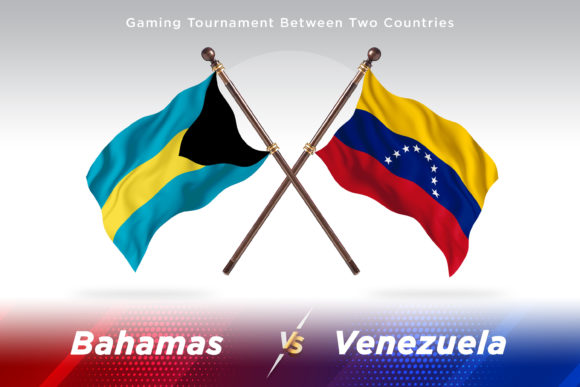
Bahamas Versus Venezuela Two Flags: Design, Symbolism and Meaning
Flags carry the identity, history, and values of a nation in a single visual statement. When you place the Bahamas flag next to the Venezuela flag, the contrasts in color, symbolism, and design philosophy become immediately apparent. Yet both share a powerful connection to the sea, independence, and national pride. Understanding these two flags in detail offers more than trivia—it provides practical insight for designers, educators, travelers, marketers, and anyone who works with visual identity or cross-cultural communication.
This article explores what makes the Bahamas versus Venezuela two flags comparison meaningful, how each flag supports practical goals like branding, education, travel planning, and presentation design, and who benefits most from knowing the differences and similarities.
What the Bahamas Flag Represents and Why It Matters
The flag of the Commonwealth of The Bahamas consists of a black triangle on the hoist side, with three horizontal bands of aquamarine, gold, and aquamarine. The black triangle symbolizes the strength and resilience of the Bahamian people. The aquamarine stripes represent the Caribbean Sea and the Atlantic Ocean that surround the islands, while the gold stripe stands for the sun, sand, and the nation's natural wealth.
For marketers and brand designers, the Bahamas flag offers a clear example of how color choices evoke emotion. The aquamarine and gold create an immediate association with tropical relaxation, clarity, and natural beauty. If you are creating travel content, resort branding, or tourism campaigns, referencing or echoing the flag's palette can reinforce a sense of place without using overt imagery. The flag works as a subtle shorthand for the Bahamas experience—warmth, water, and vitality.
Educators teaching Caribbean geography or post-colonial history can use the flag's design to prompt discussions about national identity. The black triangle is not merely decorative; it signals a conscious choice to center the people's strength over colonial symbols. This makes the Bahamas flag a valuable case study in how nations use emblem design to reclaim narrative.
What the Venezuela Flag Represents and Why It Matters
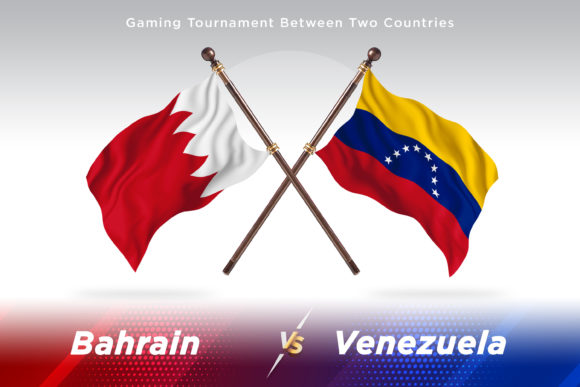
The flag of Venezuela features three horizontal stripes of yellow, blue, and red, with an arc of eight white stars in the center of the blue stripe. The yellow represents the country's wealth and resources, the blue stands for the Caribbean Sea and the sky, and the red symbolizes the blood shed for independence. The eight stars represent the eight provinces that signed the Act of Independence in 1811.
For entrepreneurs and small business owners working with Latin American markets, the Venezuela flag is a potent symbol of resilience and cultural pride. Its bold, primary colors command attention in presentations, marketing materials, or event branding. If you are preparing a pitch or a visual report that involves Venezuelan partnerships, audiences, or heritage, using the flag correctly signals respect and cultural awareness.
Freelancers and content creators covering Latin American history or current events can use the flag's design to illustrate themes of unity, struggle, and national ambition. The star arrangement is a specific historical reference, not an arbitrary pattern. Knowing this allows you to create more accurate and thoughtful content, whether you are designing an infographic, writing a blog post, or producing a video essay.
Comparing the Flags: Practical Benefits for Different Audiences
The Bahamas versus Venezuela two flags comparison reveals distinct design philosophies that serve different practical purposes. Here is how specific audiences can apply this knowledge.
For Designers and Creatives
If you work in graphic design, web design, or visual branding, studying both flags side by side sharpens your understanding of contrast, symbolism, and color theory. The Bahamas flag uses a limited, cool-warm palette with high emotional resonance. The Venezuela flag uses a classic primary palette with strong historical weight. When you need to create a visual identity for a client or project that references either nation, you can draw directly from the flag's logic rather than guessing at appropriate colors or shapes.
For example, a travel campaign for a Caribbean destination might borrow the aquamarine and gold scheme. A cultural festival featuring Venezuelan music and food might use the yellow, blue, and red with the star motif. Understanding the flags gives you a design shortcut rooted in authentic national identity.
For Educators and Presenters
Teachers, professors, and public speakers can use the flags as entry points into broader lessons. The Bahamas versus Venezuela two flags comparison works well in geography, history, civics, and art classes. The flags differ in layout—one uses a triangle with horizontal bands, the other uses three horizontal stripes with a centered emblem. This structural difference can lead to discussions about how nations with shared colonial histories choose distinct visual languages.
When preparing slides or handouts, including both flags with clear labeling helps students retain information faster. Visual comparison aids memory. You can also use the flags to teach about symbolism—why certain colors appear repeatedly across Caribbean and Latin American flags, and what makes each nation's design unique.
For Travelers and Hobbyists
If you plan to visit either country, knowing the flag enriches your travel experience. The Bahamas flag appears everywhere—on government buildings, at ports, in hotels, and on merchandise. Recognizing its meaning helps you connect more deeply with local identity. Similarly, the Venezuela flag is a point of pride for Venezuelans abroad and at home. Understanding its symbolism allows you to engage with locals respectfully and knowledgeably.
For hobbyists who collect flags or study vexillology, the Bahamas versus Venezuela two flags comparison offers a satisfying contrast in proportion, color meaning, and historical evolution. Both flags have undergone changes over time, and tracing those changes reveals shifts in national priorities and values.
Use Cases That Benefit from Understanding Both Flags
The practical value of comparing these two flags extends to several specific scenarios.
- Content creation: Bloggers, podcasters, and video producers covering Caribbean or Latin American topics can use the flags as visual anchors. Including both flags in a comparison infographic or thumbnail increases engagement and signals topic clarity.
- Business presentations: If you are pitching a project involving partnerships in either region, using the correct flag demonstrates attention to detail. Mixing up flags or using outdated versions undermines credibility.
- Marketing campaigns: Localized campaigns for products or services targeting Bahamian or Venezuelan audiences benefit from accurate flag usage. The colors and symbols resonate emotionally and culturally.
- Event planning: Cultural events, international conferences, or community gatherings often display flags. Knowing the correct design, color codes, and positioning rules helps you create respectful and professional displays.
- Educational materials: Worksheets, flashcards, slides, and posters that include both flags help learners distinguish between similar-looking flags. Many Caribbean and Latin American flags share color palettes; explicit comparison reduces confusion.
Who Benefits Most from This Comparison
While the comparison is useful across many roles, certain audiences gain the most practical value.
Marketers and brand strategists benefit because flags are among the most recognizable national symbols. Using flag-inspired color schemes or motifs in campaigns can evoke authentic regional associations without overt cultural appropriation. Knowing what each flag means helps you avoid clichés and instead use symbols with depth.
Educators and curriculum developers benefit because flags offer a visual, memorable way to teach history, geography, and civics. The Bahamas versus Venezuela two flags comparison is especially helpful for students who struggle to differentiate between nations with similar colonial backgrounds. The clear design differences provide natural memory hooks.
Freelance designers and content creators benefit because they often work with limited budgets and tight deadlines. Having a solid understanding of national symbols allows you to produce accurate work quickly. You do not need to research from scratch every time a flag appears in a project.
Small business owners targeting tourism, import-export, or cultural products benefit because flag knowledge supports trust. Customers notice when a business respects cultural symbols. Whether you are selling handmade goods, planning a travel service, or hosting an event, using flags correctly signals professionalism.
Limitations and When to Dig Deeper
The Bahamas versus Venezuela two flags comparison is valuable, but it has limits. Flags are symbols, not comprehensive representations of a nation's complexity. If your work involves deep cultural analysis, policy discussion, or historical research, rely on flags as starting points, not conclusions.
Also, note that both flags have specific proportion and color standards. The Bahamas flag uses a specific shade of aquamarine (Pantone 3145) and gold (Pantone 123). The Venezuela flag uses yellow (Pantone 116), blue (Pantone 280), and red (Pantone 186). For professional design work, always verify the exact specifications. Using approximate colors may seem minor, but it can look unprofessional to informed audiences.
If you are creating materials for official use, such as government presentations, international documents, or educational accreditation, consult official sources for flag dimensions, placement, and usage guidelines. The flags are protected by national protocols. Using them incorrectly in official contexts can cause legal or diplomatic issues.
Finally, remember that flags evolve. The Venezuela flag, for example, originally had seven stars and has undergone changes in star count and design details. Stay updated with current official versions to avoid using outdated or incorrect imagery.
Final Observations on the Comparison
The Bahamas versus Venezuela two flags comparison is more than an exercise in visual analysis. It reveals how two nations with deep ties to the sea, colonial history, and the pursuit of independence chose distinct paths in their national symbols. The Bahamas flag emphasizes natural beauty and human strength through a simplified, modern design. The Venezuela flag leans into historical narrative and bold primary contrast.
For anyone who works with visual communication, cultural content, or audience engagement, understanding these differences improves the quality and authenticity of your output. Whether you are designing a campaign, teaching a class, planning a trip, or building a brand, the flags offer reliable reference points. Take the time to learn the colors, shapes, and meanings. Your audience will notice the difference, and your work will carry clearer intent.