Bangladesh Versus Egypt Two Flags: A Practical Guide to Symbolism, Design, and Application
Comparing the flags of Bangladesh and Egypt is a practical exercise in visual communication, cultural analysis, and professional diligence. Whether you are a graphic designer preparing a multicultural branding deck, a content creator developing a comparative video, or a business strategist outlining a market entry plan, understanding the specific design rules and historical weight of these two national symbols is essential. This guide breaks down the Bangladesh versus Egypt two flags comparison into a systematic workflow—from research and preparation to long-term asset management—ensuring your work is accurate, respectful, and strategically sound.
Phase One: Research and Deconstruction – Building an Accurate Baseline
The process begins with rigorous deconstruction. Before you place these flags side by side in a presentation or design, you must understand what each element communicates and how it is technically constructed.
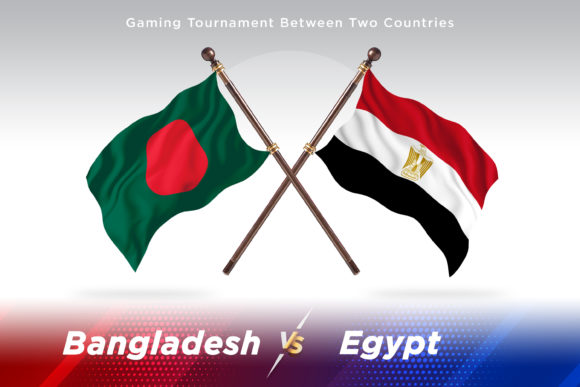
The Flag of Bangladesh: The deep green field represents the lush landscape of the Bengal delta and the country’s Islamic heritage. The red disc, offset toward the hoist, symbolizes the sun rising over Bengal and the blood sacrificed during the 1971 Liberation War. For designers, a critical technical detail is the offset of the disc. It is positioned slightly closer to the hoist so that, when the flag is flying in the wind, the disc appears perfectly centered to the human eye. The official green is typically specified as Hex #006a4e and the red as #f42a41.
The Flag of Egypt: The horizontal tricolor of red, white, and black is rooted in the Pan-Arab movement, symbolizing the struggle against oppression, a peaceful future, and the dark history of colonialism respectively. Centered on the white stripe is the Eagle of Saladin, a heraldic symbol representing strength, pride, and sovereignty. The eagle’s posture, wing angles, and chest shield are defined by strict government specifications. The standard tricolor red is #ce1126, the gold of the eagle is approximately #c09300, and the black is pure #000000.
Practical Workflow Tip: Start every project by sourcing official specifications. Avoid generic image searches. Instead, download high-resolution SVG files from reputable vexillology databases or official government portals. Store these reference values in a shared team document before any creative work begins. This upfront preparation prevents costly color corrections and layout errors later in the process.
Phase Two: Strategic Integration – Understanding Context and Use Cases
The comparison of these two flags is never an isolated exercise. It serves a larger objective, whether that is education, branding, or international communication. Knowing where and how to apply the comparison ensures relevance and impact.
Marketing and Branding: If you are launching a campaign that targets audiences in both South Asia and North Africa, the flags provide a starting point for color psychology research. The green of the Bangladesh flag carries connotations of fertility and faith, while the gold of the Egyptian eagle suggests heritage and luxury. Integrating these visual cues into packaging or digital ads demonstrates local awareness and cultural respect.
Content Creation and Education: For educators and bloggers, the Bangladesh versus Egypt two flags comparison offers a structured lesson in semiotics. You can build a tutorial or article around the offset disc versus the centralized eagle, using the contrast to explain how different nations prioritize motion versus stability in their national symbols.
International Business Presentations: In a slide deck covering trade opportunities in Dhaka and Cairo, the flags act as immediate visual anchors. A practical rule is to display both flags at equal height and follow alphabetical order (Bangladesh before Egypt) for English-language audiences. This consistency improves professional clarity and reduces visual noise.
Quality Assurance in Production: For publishers and print managers, integrating a formal flag-check step into your final review process is critical. A slightly skewed eagle or an incorrectly sized disc can undermine the perceived quality of the entire deliverable. Treating the flag comparison as a quality checkpoint ensures error-free output.
Phase Three: The Execution Workflow – From Assets to Final Output
Once you have the research and context established, execution must be precise. Here is a step-by-step workflow for handling the Bangladeshi and Egyptian flags together in your projects.
- Asset Sourcing and Validation: Pull vector assets only from trusted sources. Validate that the Egyptian eagle is the current version (adopted in 1984) and that the Bangladesh flag disc is correctly offset.
- Color Calibration and Locking: Input the exact Hex and CMYK values into your design software. For the Bangladesh flag, monitor the green closely—it can shift to turquoise or olive if not locked. For the Egypt flag, ensure the gold of the eagle is consistent across all slides or pages.
- Layout and Composition Rules: When placing the flags side by side, standardize the height. If you are creating a background graphic, reduce opacity to around 15-20 percent to maintain text readability. Never distort the aspect ratio of either flag.
- Contextual Flag Selection: Egypt has multiple official flags (Air Force, Presidential). For general business or editorial use, the national flag featuring the Eagle of Saladin is the standard. Bangladesh primarily uses a single national flag format.
- Documentation and Style Guide Entry: Create a brief internal style guide entry for the "Bangladesh versus Egypt" pairing. Include the official color codes, proportions (2:3 for both), and proper usage notes. This documentation ensures consistency for future projects.
Phase Four: Efficiency and Long-Term Asset Management
To make this comparison a reusable asset rather than a one-time task, focus on organization and scalability. Professionals managing multiple projects across regions need a system that saves time and maintains integrity.
Digital Asset Management (DAM): Create a dedicated folder for national symbols within your shared drive or cloud storage. Name files using a consistent convention—for example, flag_BGD_standard.ai and flag_EGY_standard.svg. This eliminates guesswork for team members who need these assets quickly.
Templates for Recurring Tasks: If your workflow frequently involves comparing countries in the Middle East and South Asia, build a presentation template with the flags pre-formatted. This reduces repetitive layout work and frees up time for higher-level strategy.
Cross-Platform Consistency Checks: A flag that looks crisp in a high-resolution PDF may lose detail when used as a social media banner. Create a simple cross-platform checklist to verify that the eagle remains visible and the red disc maintains its edge sharpness across web, print, and video outputs.
Version Control and Updates: National symbols can undergo minor revisions over time. Assign a team member to review official government resources annually. If the Egyptian eagle is updated, the new vector should replace all old versions in your DAM to prevent accidental use of outdated assets.
Phase Five: Cultural Competence and Usability
Professional use of any national flag requires more than technical accuracy. It demands cultural competence and thoughtful usability practices.
Culturally Respectful Presentation: The Bangladesh flag is deeply tied to the struggle for independence, and the Egyptian eagle represents centuries of civilization. Avoid using these flags in contexts that feel trivial or commercial without clear editorial purpose. For example, using a flag as a floor graphic or a disposable table cover is widely considered disrespectful in both nations. Understand the emotional weight of the symbols you are handling.
Accessibility in Design: In infographics that compare data between the two countries, do not rely solely on flag colors for differentiation. The red and green of the Bangladesh flag can be difficult for color-blind users to distinguish from other dark hues. Always pair flag visuals with clear text labels or patterns to ensure universal understanding.
Legal Considerations: Both nations have regulations regarding the commercial use of their national flags. Before incorporating these flags into product packaging or large-scale advertising campaigns, consult the relevant embassy guidelines or legal resources. Adding a brief legal review step to your pre-production checklist is a best practice for compliance and risk management.
Integrating the Comparison into Your Ongoing Routine
The exercise of comparing the Bangladeshi and Egyptian flags is more than a visual analysis—it is a template for how to approach any cross-cultural visual project. By establishing a rigorous research baseline, integrating context thoughtfully, executing with precise technical steps, and maintaining a system for long-term use, you build a professional practice that values accuracy, efficiency, and respect.
Whether you are a marketer planning a regional campaign, an educator building a lesson on symbolism, or a designer ensuring quality in a complex print run, this systematic approach transforms a simple comparison into a powerful workflow tool. The flags of Bangladesh and Egypt, when handled correctly, become assets that enhance your credibility and deepen the connection you build with your audience.