Bahrain Versus Seychelles Two Flags: A Creative Comparison
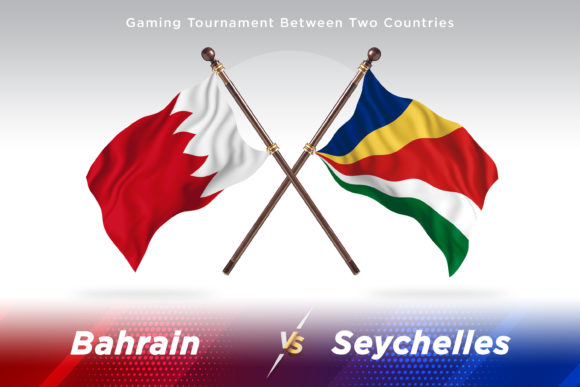
At first glance, the flags of Bahrain and Seychelles seem to belong to different visual worlds. Bahrain’s flag is restrained, geometric, and rooted in a single bold contrast of red and white with a serrated edge. Seychelles’ flag is dynamic, multicolored, and radiates outward in five diagonal bands from the lower hoist. Yet placing them side by side reveals something useful for designers, educators, and content creators: two distinct approaches to symbolism, color storytelling, and visual hierarchy. Understanding the design logic behind each flag can sharpen your own creative decisions, whether you are building a brand identity, teaching visual literacy, or searching for fresh inspiration.
What Makes Each Flag Distinct
Bahrain’s flag consists of a white vertical band on the left, divided from a larger red field by a zigzag line with five points. The red represents the Kharijite sect of Islam and the white stands for the truce the country made with Britain. The five points of the serration refer to the five pillars of Islam. It is a flag that achieves maximum impact with minimal elements: two colors, one repeating shape, and a clear symbolic narrative.
Seychelles’ flag uses five oblique bands of blue, yellow, red, white, and green that fan outward from the bottom left corner. Blue represents the sky and ocean, yellow the sun, red the people and their determination, white social justice and harmony, and green the land and nature. The diagonal geometry suggests movement, growth, and a forward-looking energy. Unlike Bahrain’s contained, balanced composition, Seychelles’ flag feels expansive and dynamic.
What makes this comparison useful is not which flag is “better” but how each solves a similar problem: communicating identity through limited visual means. Both succeed, but through radically different principles. That difference is where the creative value lies.
Exploring Restraint Versus Expression
Bahrain’s flag is a lesson in restraint. It says more by saying less. When you are designing a logo, a presentation deck, or a social media template, ask yourself: can I do this with fewer colors or simpler shapes? Bahrain’s flag proves that a single repeated edge detail can carry symbolic weight. For creators working on minimalist branding, the five-pointed serration offers a model for turning a functional border into a meaningful signature.
Seychelles’ flag, by contrast, demonstrates how to layer multiple messages without creating visual chaos. Each color has a job. The diagonal arrangement ensures no color dominates. If you are designing an infographic, a website hero section, or an event poster, the Seychelles flag shows you how to balance multiple elements so that energy and clarity coexist. Use it as a reference for constructing compositions where every component earns its place.
Adapting the Patterns for Your Own Projects
The zigzag edge of Bahrain’s flag can inspire all kinds of repeatable patterns: cut-out dividers on a landing page, fretwork on a product label, or stitching details on a fabric design. The key is consistency. Because the serrated edge is simple, it works at any scale. You can enlarge it for a bold header or shrink it into a subtle texture. For print designers, it translates well into foil stamping, embossing, or die-cut elements.
The radiating stripes of Seychelles’ flag are useful for any design that needs to suggest expansion or inclusivity. Think about using a similar fan layout for an annual report cover that highlights growth, a conference banner that lists multiple speakers, or a menu design that groups categories. The diagonal flow leads the eye naturally from one element to the next. That directional quality makes it especially effective for horizontal layouts like wide-format banners or scrolling web pages.
Symbolism as a Design Driver
Both flags embed meaning directly into form. In Bahrain’s flag, you cannot separate the shape from the story. The five points are not decorative; they are doctrinal. That is a powerful reminder for content creators: the best design decisions are often those that carry intent. When you choose a font, a color, or a layout, ask what it signals. Even if the meaning is subtle, it creates depth that audiences can sense even if they do not articulate it.
Seychelles’ flag takes the opposite approach by making symbolism explicit through color coding. That is useful for educators and marketers who need to communicate multiple ideas at once. If you are building an explainer graphic or a slide deck about a complex topic, consider assigning each key point a distinct color and arranging them in a way that shows relationship. The flag’s diagonal bands imply both separation and connection—each band is distinct, but they all share the same starting point.
For Graphic Designers and Brand Creators
Use the Bahrain-versus-Seychelles comparison as a brief for experimenting with contrast. Take one core concept and design two versions: one minimalist with a single repeating motif, and one layered with multiple colors and directional energy. This exercise sharpens your ability to match form to message. If you are pitching to a client who values tradition and stability, the Bahrain approach may resonate. If the client wants innovation and diversity, the Seychelles direction offers a richer palette.
For Educators and Workshop Leaders
Flags are accessible case studies for teaching design principles. A single class session can cover color theory, symbolism, geometry, and cultural context using just these two examples. Ask participants to analyze each flag using vocabulary like balance, rhythm, contrast, and hierarchy. Then challenge them to create a personal flag that combines one element from each: perhaps a restrained color scheme with a dynamic layout, or a simple shape that carries layered meaning.
For Content Creators and Bloggers
If you write about travel, culture, or design, the Bahrain and Seychelles flags provide a natural entry point for deeper stories. You could explore how each nation’s history shaped its visual identity, or compare how their flags function in digital media versus physical ceremony. For Instagram or Pinterest, create side-by-side mood boards that remix each flag’s colors and patterns into contemporary aesthetics. The visual contrast alone drives engagement because it invites viewers to pick a side or imagine a hybrid.
For Small Business Owners and Entrepreneurs
When developing your own brand identity, the lesson from these flags is clear: your visual identity should be intentional, not accidental. Bahrain’s flag teaches the power of a signature detail. Seychelles’ flag teaches the value of a unified but diverse palette. If your product line or service offering has multiple dimensions, consider whether a single iconic shape or a spectrum of colors better represents what you do. Test both approaches in your logo variations or packaging concepts before settling.
How to Keep Results Clear and Audience-Friendly
Whichever approach you take from this comparison, clarity depends on consistency. If you borrow the serrated edge from Bahrain’s flag, use it in every relevant application—not just your logo but also your icons, dividers, and background textures. Repetition builds recognition. If you adopt the multicolor diagonal from Seychelles’ flag, lock in the order of colors and the angle of the bands so that every application reads as part of a system.
Organization matters too. When working with multiple elements, assign each one a specific role. In the Seychelles flag, each color represents a distinct value. In your own project, each visual component should have a clear function: a primary color for headlines, a secondary for buttons, an accent for highlights. Do not let variety become confusion. The most effective designs, like the best flags, are immediately readable at a distance and in a glance.
Originality does not require reinvention. Both flags draw on traditional heraldic and symbolic conventions, yet each is unmistakable. You can achieve the same by starting with familiar forms—stripes, borders, angles—and adding your own twist. Bahrain added points to a simple division line. Seychelles tilted stripes diagonally. Small transformations create distinctive identities.
Practical Recommendations for Your Next Project
If you are blocked on a creative challenge, look up both flags side by side. Spend five minutes sketching how you would combine elements from each. What would a brand look like with Bahrain’s restrained color palette and Seychelles’ dynamic fan layout? Or with Seychelles’ vibrant colors but Bahrain’s clean geometric division? The hybrid possibilities are surprisingly numerous and can break you out of a routine visual vocabulary.
For photographers and videographers, these flags offer composition lessons. Bahrain’s flag suggests a strong vertical or horizontal split with a textured edge—great for split-screen storytelling or before-and-after comparisons. Seychelles’ flag suggests a diagonal leading line that draws the eye from a corner anchor to an expansive background—useful for travel content, product launches, or timeline graphics.
For writers and storytellers, the flags provide metaphor. Bahrain’s flag represents a boundary that is clear but not smooth—a nation shaped by negotiation and faith. Seychelles’ flag represents convergence from many directions—a people forged from multiple cultures united under one sun. Use those narratives in your own copy to add texture to themes of identity, unity, or transformation.
Whether you are designing a brand, teaching a class, or building content for your audience, the comparison between Bahrain and Seychelles flags is more than a trivia point. It is a working example of how different visual strategies can achieve the same goal: telling a story that people remember. Hold both approaches in your mind as tools, not templates. Adapt their principles to your own context, and your work will carry the same clarity and purpose that makes these two flags so effective at what they do.