Bahamas vs Marshall Islands Flags: A Deep Dive Into Design, Symbolism, and National Identity
At first glance, the flags of the Bahamas and the Marshall Islands might seem worlds apart — one anchored in the turquoise waters of the Caribbean, the other floating across the vast expanse of the Pacific. Yet each flag tells a powerful story about its nation’s geography, history, and aspirations. Whether you’re a traveler, a student of vexillology, or simply curious about how countries express themselves through symbols, understanding the Bahamas versus Marshall Islands flags offers a fascinating window into two island nations with much more in common than their ocean settings might suggest.
This article unpacks everything from color choices and layout to the deeper meanings woven into each design. By the end, you’ll not only be able to tell these flags apart but also appreciate the rich cultural narratives they represent.
Why Flag Comparisons Matter: More Than Just Cloth and Color
Flags are far more than decorative banners. They are compact storytelling devices — visual shorthand for national identity, history, and values. When you compare the flags of the Bahamas and the Marshall Islands, you’re essentially comparing two distinct journeys: one shaped by colonial history, tourism, and Caribbean pride; the other by Pacific isolation, nuclear legacy, and a fierce commitment to sovereignty.
For general readers, understanding these differences enriches travel experiences, sharpens geography knowledge, and provides context for news about climate change, diplomacy, or cultural events. For educators and students, flag analysis is a gateway to lessons in symbolism, history, and cultural appreciation.
Common Assumptions vs Reality
A common misconception is that all island nations use similar maritime symbols — anchors, ships, or waves. While both flags do incorporate blue and water imagery, the Bahamas flag emphasizes land, sea, and sky in equal measure, while the Marshall Islands flag boldly foregrounds a star and a diagonal band that represents the equator. Neither flag is merely “pretty”; each is a deliberate statement of values and identity.
The Bahamas Flag: A Caribbean Icon of Unity and Natural Beauty
The national flag of the Bahamas was officially adopted on July 10, 1973, the day the country gained independence from the United Kingdom. Its design is clean, graphic, and instantly recognizable.
Design and Layout
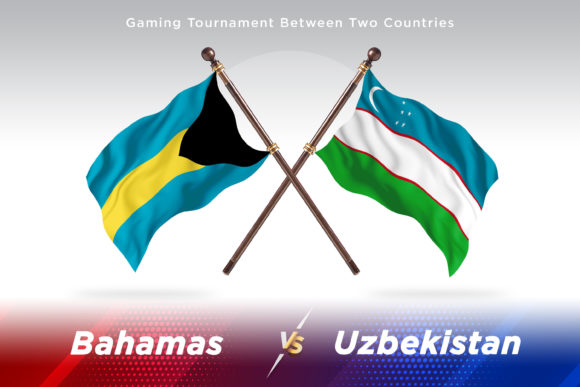
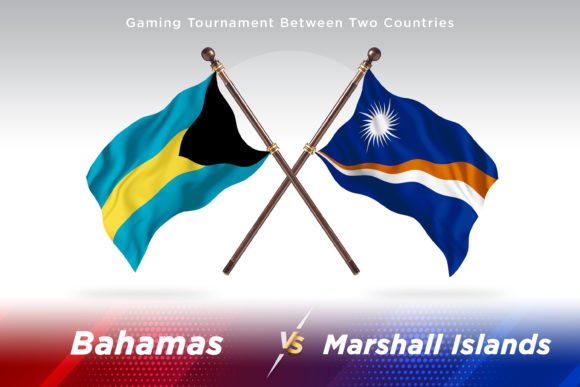
The flag consists of three horizontal stripes of equal width: aquamarine blue at the top and bottom, with a gold stripe in the middle. On the hoist side (the left edge) sits a black equilateral triangle that extends halfway across the flag. There are no seals, emblems, or additional symbols — the power lies in pure geometry and color.
Colors and Their Meanings
- Aquamarine blue: Represents the Caribbean Sea and the Atlantic Ocean that surround the Bahamas. It also symbolizes the nation’s maritime heritage and the clear waters that attract millions of tourists each year.
- Gold: Stands for the golden sand beaches, the sun, and the wealth of natural resources — both mineral and human. It also evokes the warmth and optimism of the Bahamian people.
- Black triangle: Symbolizes the strength, resilience, and unity of the Bahamian people. The triangle points toward the center of the flag, suggesting forward movement and collective purpose. Some interpretations also link it to the African heritage of the majority population.
Historical Context
Before independence, the Bahamas used a British Blue Ensign with a colonial badge. The current flag was chosen through a public competition won by a local artist. This grassroots origin gives the flag deep cultural authenticity — it wasn’t designed by a distant committee but by someone who lived the nation’s realities.
Practical Relevance Today
The Bahamian flag is ubiquitous across the islands: flown at government buildings, displayed in tourist resorts, waved at festivals like Junkanoo, and even painted on boats. For the millions of visitors who come to Nassau or the Out Islands, the flag is often the first and last symbol they associate with the country. It appears on everything from currency to postage stamps, reinforcing national pride in a nation heavily dependent on tourism and financial services.
The Marshall Islands Flag: A Pacific Symbol of Survival and Ambition
Adopted on May 1, 1979 — the same date the country became a self-governing republic in free association with the United States — the flag of the Marshall Islands is more complex in both design and symbolism.
Design and Layout
This flag features a deep blue field with two diagonal bands running from the bottom left corner to the top right corner. The lower band is white, and the upper band is orange. In the upper left corner (the canton) sits a white star with 24 points. The star has four large points and 20 smaller ones, arranged in a precise pattern.
Colors and Meanings
- Deep blue: Represents the Pacific Ocean — the lifeblood of the Marshall Islands. It also symbolizes the vastness of the surrounding ocean and the nation’s connection to the sea.
- White diagonal band: Stands for the chain of Ratak (“sunrise”) islands, which are located to the east. White also represents peace and the bright light of the morning sun.
- Orange diagonal band: Represents the Ralik (“sunset”) island chain to the west. Orange symbolizes courage and the warmth of the setting sun.
- White 24-point star: This is the most layered symbol. Each point represents one of the 24 municipal districts of the Marshall Islands. The four long points symbolize the four main cultural centers: Majuro, Ebeye, Jaluit, and Wotje. The star as a whole stands for unity, hope, and the nation’s place in the world. Some interpretations also link the star to navigation and the star compass used by traditional Micronesian voyagers.
Historical Context
Unlike the Bahamas, the Marshall Islands had a much more turbulent path to self-governance. After World War II, the islands were part of the Trust Territory of the Pacific Islands administered by the United States. The US conducted 67 nuclear tests in the Marshall Islands between 1946 and 1958, profoundly affecting the environment and the health of the local population. The flag’s adoption in 1979 marked a new era of self-determination, but the nuclear legacy remains a sensitive and defining part of the national story.
Practical Relevance Today
The Marshall Islands flag is a source of immense pride and resilience. It flies over government offices in Majuro, is carried by athletes at the Olympics, and appears in protests related to climate change and nuclear compensation. The country is one of the most vulnerable to rising sea levels, and the flag — with its ocean-blue field and star pointing toward the future — serves as both a warning and a call to action. For the diaspora community in the United States and elsewhere, the flag is a powerful emblem of home and identity.
Side-by-Side Comparison: Key Differences and Surprising Similarities
When you place the Bahamas flag next to the Marshall Islands flag, several contrasts jump out immediately, but some deeper similarities also emerge.
Visual Differences at a Glance
| Feature | Bahamas | Marshall Islands |
|---|---|---|
| Adoption date | July 10, 1973 | May 1, 1979 |
| Number of colors | 3 (blue, gold, black) | 3 (blue, white, orange) |
| Primary symbol | Black triangle | 24-point white star |
| Layout | Horizontal stripes + triangle | Diagonal bands + star canton |
| Ocean representation | Aquamarine blue (stripes) | Deep blue (field) |
| Cultural reference | African heritage, tourism, beaches | Micronesian navigation, nuclear legacy |
Surprising Similarities
Both flags use three colors and both place ocean blue as a dominant element. Neither flag uses a complex coat of arms or seal, making them highly recognizable at a distance. Both were adopted around the same historical moment (the 1970s) and both replaced colonial-era flags. Perhaps most importantly, both flags were designed with direct input from the local population — not imposed by a colonial power.
What These Flags Teach Us About National Identity
Flags are never static. They evolve, gain new meanings, and sometimes become contested symbols. The Bahamas flag speaks to unity and natural abundance — a nation looking out at the sea and up at the sun with confidence. The Marshall Islands flag, by contrast, carries the weight of survival and advocacy. Its star is a map of municipalities, but it also points outward, demanding attention for climate action and historical justice.
How Flags Fit Into Modern Life
For travelers, knowing the symbolism behind these flags can transform a simple photo opportunity into a moment of cultural understanding. For students and educators, flag analysis supports lessons in geography, history, and art. In business contexts, flags are often used in international trade, shipping registries (both nations have significant maritime registries), and diplomatic protocol. The Bahamas flag appears on cruise ships, cargo vessels, and even on the uniforms of hotel staff. The Marshall Islands flag is increasingly visible in environmental conferences and international courts.
Common Misunderstandings Clarified
- Myth: The Bahamas flag has a shark fin. No, the black triangle is purely geometric — it does not represent any animal. The association with sharks is a modern, informal interpretation without official backing.
- Myth: The Marshall Islands star has 24 points because of the number of islands. Partially true — it represents the 24 municipal districts, not the number of atolls (which is 29). The four long points have a separate meaning related to cultural centers.
- Myth: Both flags are just “beach flags” with no deeper meaning. While both are strongly connected to the ocean, their symbolism runs deep — from colonial history to nuclear survival. They are not mere tourist icons.
Broader Understanding: Flags as Cultural Mirrors
Studying the Bahamas versus Marshall Islands flags is not just a trivia exercise. It reveals how two island nations — both small in population and land area — use design to communicate their place in the world. The Bahamas, a stable democracy and tourism powerhouse, projects openness and warmth. The Marshall Islands, a nation on the front lines of climate change, projects defiance and resilience.
Both flags are also educational tools. They can be used to teach about latitude and longitude (the equator features prominently in the Marshall Islands design), about independence movements, and about how nations rebrand themselves after colonialism.
Practical Takeaway for Readers
Next time you see either flag — whether on a travel blog, in a news article, or during an international event — you’ll have a richer understanding of what it represents. The Bahamas flag is a celebration of land, sea, and people in harmony. The Marshall Islands flag is a statement of identity, survival, and hope. Both deserve more than a passing glance.
Conclusion: Two Flags, Two Stories, One Shared Ocean
The Bahamas and the Marshall Islands may sit on opposite sides of the globe, but their flags share a common language of blue, symbolism, and national pride. By comparing them side by side, we see how geography, history, and culture intertwine in the most compact of canvases. Whether you’re drawn to the bold black triangle of the Bahamas or the radiant star of the Marshall Islands, each flag invites you to look deeper — and to appreciate the stories that nations tell about themselves.
From the sands of Nassau to the shores of Majuro, these flags wave not just as markers of sovereignty but as invitations to understand the people who stand beneath them. And that, ultimately, is the real purpose of any flag.