Bahamas vs Belgium Flags: Colors, Symbols, and Hidden Meanings
Flags are more than pieces of cloth fluttering in the wind. They are compressed stories of nations, carrying centuries of history, identity, and aspiration in simple shapes and colors. At first glance, the flags of the Bahamas and Belgium might seem entirely unrelated. One is a tropical island nation in the Atlantic; the other is a small but influential kingdom in Western Europe. Yet people sometimes confuse the two, or at least wonder what each design represents. Understanding these flags on a deeper level reveals not only the unique character of each country but also how flags function as visual shorthand for entire cultures. This article unpacks the design, symbolism, history, and practical significance of the Bahamas and Belgium flags, helping you tell them apart and appreciate what they stand for.
Whether you are a student researching national symbols, a traveler preparing for a trip, or simply someone curious about world flags, this guide will ground you in the essentials and then go beyond. By the end, you will not only recognize each flag instantly but also understand the stories woven into their stripes, colors, and patterns.
What Do the Bahamas and Belgium Flags Look Like?
Before diving into symbolism, let us establish a clear visual picture of each flag.
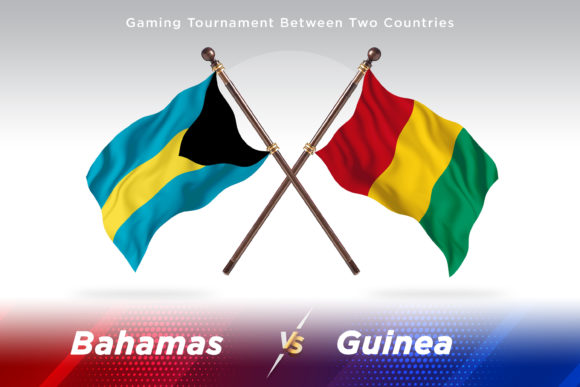
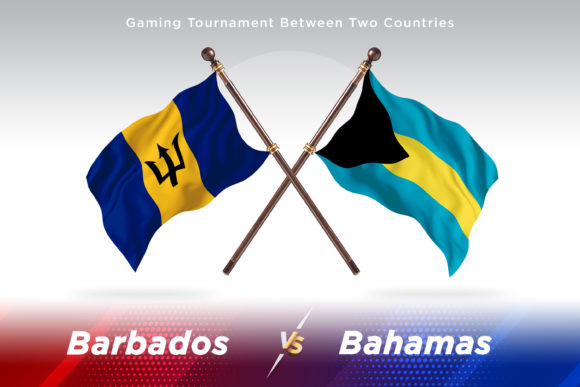
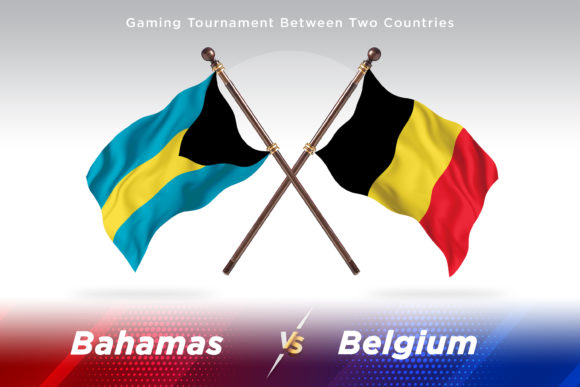
The flag of the Bahamas consists of three horizontal stripes: a top stripe of aquamarine blue, a middle stripe of gold (yellow), and a bottom stripe of aquamarine blue. On the hoist side (the side closest to the flagpole) lies a black triangle that extends from the top edge to the bottom edge, pointing toward the fly end of the flag. The overall impression is bright, tropical, and modern.
The flag of Belgium uses three vertical stripes of equal width: black on the hoist side, gold (yellow) in the middle, and red on the fly side. The design is simple, bold, and immediately recognizable as a tricolor pattern common across many European nations. The colors are darker and more intense than those of the Bahamas flag, giving it a more formal, historical feel.
So while both flags use the colors blue, gold, and black—or at least share some tonal similarities—the arrangement and context are completely different. One is horizontal with a triangle; the other is vertical with no additional shapes. One evokes ocean and sun; the other evokes heraldry and revolution.
The Flag of the Bahamas: Symbolism and Meaning
The flag of the Bahamas was officially adopted on July 10, 1973, the day the country gained independence from the United Kingdom. It was the result of a national design competition, and the winning design came from a local artist. The flag reflects the natural beauty of the islands and the aspirations of a newly sovereign nation.
Colors and Their Meanings
- Aquamarine blue represents the water surrounding the Bahamas. The country is an archipelago of over 700 islands and cays, and the sea is central to its geography, economy, and way of life. The blue stripes are a direct reference to the clear, warm waters of the Atlantic Ocean and the Caribbean Sea.
- Gold (yellow) represents the sun and the sand. The Bahamas is known for its year-round sunshine and white sandy beaches. The gold stripe also symbolizes the hope and bright future of the nation.
- Black triangle represents the strength, resilience, and unity of the Bahamian people. The triangle points forward, symbolizing the nation's determination to move ahead as a unified people. Some interpretations also connect the black to the African heritage of the majority of the population.
Design and Layout
The black triangle is a distinctive feature that sets the Bahamas flag apart from nearly every other national flag. It breaks the horizontal stripe pattern and adds a dynamic, forward-looking element. The triangle is equilateral, meaning all three sides are equal in length, which reinforces the idea of balance and equality among the people. The three stripes are also equal in width, further emphasizing harmony and proportion.
Practical and Cultural Relevance
For Bahamians, the flag is a source of pride and identity. It appears on government buildings, schools, sports events, and during national holidays like Independence Day. The colors are echoed in tourism branding, artwork, and even fashion. Because the Bahamas is a major tourist destination, the flag also functions as a welcoming symbol for visitors, signaling a place of warmth, beauty, and hospitality. Understanding its meaning helps travelers appreciate the deeper values of the nation they are visiting.
The Flag of Belgium: History and Symbolism
The flag of Belgium is one of the oldest continuously used national flags in the world. Its current design was adopted on January 23, 1831, shortly after Belgium gained independence from the Netherlands. However, the colors date back even further, to the late 18th century and the Brabant Revolution.
Colors and Their Origins
- Black represents strength, determination, and the historical struggle for independence. It also appears in the coat of arms of the Duchy of Brabant, a key region in Belgium's formation. The black stripe is placed at the hoist, giving the flag a strong, grounded base.
- Gold (yellow) represents prosperity, generosity, and the nation's rich resources. In heraldic terms, yellow (or gold) stands for wealth and nobility. It sits in the center of the flag, acting as a bridge between black and red.
- Red represents the blood shed by those who fought for freedom and independence. It also symbolizes courage, sacrifice, and the revolutionary spirit that gave birth to the nation. Red is placed at the fly end, giving the flag a fiery conclusion.
Design and Layout
The Belgian flag uses three vertical stripes of equal width. The specific shade of red is a deep, warm crimson, and the yellow is a rich gold. The proportions are 13:15 (width to height), meaning it is slightly taller than it is wide, though a 2:3 version is also common. The vertical tricolor pattern was inspired by the French flag, but the colors are distinctly Belgian. Interestingly, the original 1830 flag used horizontal stripes, but the government quickly changed it to vertical to avoid confusion with the flag of the Netherlands and to align with the French model.
Practical and Cultural Relevance
Belgium's flag is flown at government institutions, during national holidays like Belgian National Day (July 21), and at cultural and sports events. The colors also appear on the logos of Belgian companies, the jerseys of national sports teams, and in the branding of Belgian products like chocolate, beer, and waffles. For a small country at the crossroads of Europe, the flag is a reminder of a hard-won independence and a distinct identity amid larger neighbors. Travelers in Brussels will see the flag everywhere, from the Grand Place to the European Parliament buildings.
Key Differences Between the Bahamas and Belgium Flags
Now that we understand each flag individually, let us compare them directly. The following points highlight the most important distinctions.
- Orientation of stripes: The Bahamas uses horizontal stripes; Belgium uses vertical stripes.
- Additional shapes: The Bahamas features a black triangle on the hoist; Belgium has no additional shapes, just three solid vertical bands.
- Color palette: The Bahamas uses a lighter, more tropical aquamarine blue and a bright gold; Belgium uses a deep black, a rich gold, and a crimson red. The only shared color is gold, and even then the shades differ.
- Historical context: The Bahamas flag was adopted in 1973 as a post-colonial symbol of independence and natural beauty; the Belgian flag was adopted in 1831 as a revolutionary symbol of national sovereignty.
- Symbolic focus: The Bahamas flag emphasizes geography (water and sun) and unity (the triangle); the Belgian flag emphasizes historical struggle (black and red) and prosperity (gold).
- Proportions: The Bahamas flag uses a 1:2 ratio (width to height); the Belgian flag typically uses a 13:15 or 2:3 ratio.
If you ever find yourself unsure which flag is which, remember this simple trick: the flag with the triangle pointing to the right is the Bahamas; the flag with three vertical stripes is Belgium. Also, the Bahamas flag has blue where the Belgian flag has black and red. Once you notice the blue, the triangle, and the horizontal layout, you will never mix them up again.
Common Misunderstandings About These Two Flags
Some people mistakenly think the Bahamas flag uses the same blue as the United Nations flag, or that the Belgian flag is similar to the German flag (which is horizontal and uses different proportions). Another common assumption is that the black triangle on the Bahamas flag represents a political party or a specific ethnic group. In reality, it represents the entire Bahamian people and their forward momentum. For Belgium, some assume the colors come from a single historical banner, but they actually come from the coat of arms of Brabant, which itself has medieval origins.
Both flags are sometimes grouped together in quizzes about tricolor flags, but they are not in the same family. The Bahamas flag is technically a triband with a charge (the triangle), while the Belgian flag is a pure tricolor. Understanding these technical classifications can deepen your appreciation of flag design.
Why Flags Matter: The Broader Context
Flags are not just for decoration. They serve as official symbols of sovereignty in international diplomacy, at the United Nations, and during sporting events like the Olympics. For citizens, flags are emblems of belonging and identity. For tourists, seeing a flag can be the first introduction to a country's values and personality. The Bahamas flag invites you to think of clear water, sunshine, and a forward-looking people. The Belgian flag invites you to think of history, resilience, and a nation forged through struggle.
In an increasingly globalized world, recognizing and understanding flags is a small but meaningful form of cultural literacy. It helps us appreciate diversity, avoid stereotypes, and connect with people from different backgrounds. Whether you are planning a trip to Nassau or Brussels, or simply reading the news, knowing the difference between these two flags enriches your understanding of the world.
Conclusion: Two Flags, Two Stories
The flags of the Bahamas and Belgium could hardly be more different once you look beyond surface similarities. One is a horizontal tricolor with a forward-pointing triangle, celebrating nature, unity, and a bright future. The other is a vertical tricolor rooted in revolution, heraldry, and the birth of a nation. Both are beautiful in their own right, and both carry deep meaning for the people who live under them.
Next time you see either flag—at an airport, on a document, or in a photograph—you will know the story behind the stripes. You will see the aquamarine water and black triangle of the Bahamas, and the black, yellow, and red vertical bands of Belgium. And you will understand that while flags may be simple, their meanings are anything but.