Bahamas Versus United Kingdom: Two Flags
At first glance, the flags of the Bahamas and the United Kingdom share little in common. One bursts with aquamarine, gold, and black—a visual echo of tropical seas and sandy shores. The other carries centuries of heraldic tradition in red, white, and blue. But placing them side by side reveals something unexpectedly rich: a creative contrast that designers, marketers, educators, and content creators can use to tell stories, build brands, or spark fresh ideas. Whether you are working on a visual project, researching symbolism, or simply curious about how flags communicate identity, the pairing offers more than meets the eye.
What Makes This Comparison Interesting
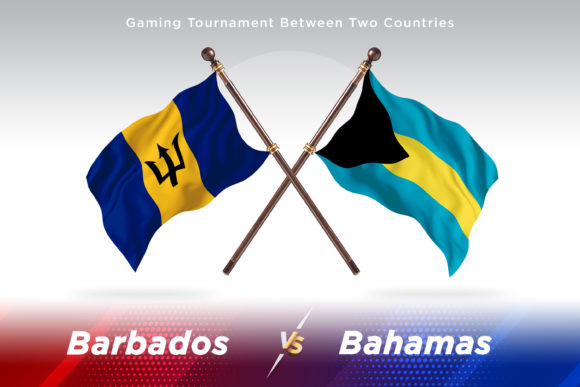
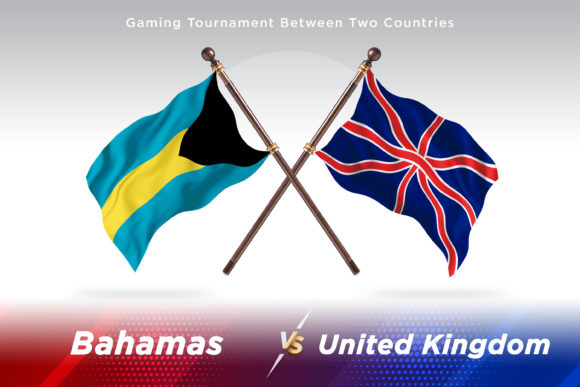
Flags are shorthand for nations. They condense history, values, and geography into simple geometric forms. The Bahamian flag, adopted in 1973 upon independence, uses a black triangle pointing toward three horizontal stripes: two aquamarine and one gold in the center. The black represents the strength and resilience of the people, the gold the sun and natural resources, and the aquamarine the water that surrounds the islands. It is bold, modern, and direct.
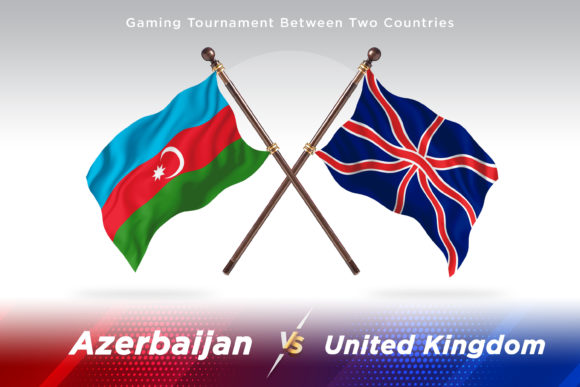
The United Kingdom flag—the Union Jack—layers three crosses: Saint George’s red cross on white for England, Saint Andrew’s white diagonal cross on blue for Scotland, and Saint Patrick’s red diagonal cross on white for Ireland. It is dense, historically layered, and asymmetrical by design. The visual contrast between the Bahamian flag’s clean, horizontal geometry and the Union Jack’s overlapping, diagonal complexity is where the creative potential begins.
For anyone working in visual communication, this pairing offers a natural study in opposites: simplicity versus complexity, modern versus historic, regional versus global. It is not about ranking one above the other but understanding how each solves a design problem—representing a nation—with completely different tools.
Creative Applications Across Projects
Once you start seeing these two flags as design artifacts rather than just national symbols, a range of practical uses emerges. Below are several directions you can take, depending on your audience and goals.
Branding and Identity Work
If you are a designer or small business owner exploring visual identity, the Bahamas–UK comparison can inform your thinking about color, structure, and cultural resonance. The Bahamian palette is unapologetically bright and warm—perfect for brands in travel, hospitality, wellness, or lifestyle. The Union Jack’s palette is more restrained and traditional, often used to signal heritage, reliability, or British origin.
Consider a hypothetical project for a boutique hotel chain looking to blend classic sophistication with a beachside atmosphere. You might borrow the Union Jack’s structured cross layout but replace its colors with Bahamian aquamarine and gold. The result feels familiar yet fresh—a bridge between old-world elegance and tropical warmth. This kind of hybrid approach works well on logos, pattern designs, or packaging.
Educational and Infographic Content
For educators, bloggers, and publishers, comparing these two flags is a ready-made lesson in history, symbolism, and design. You can create side-by-side visuals that break down each element: what each color represents, how the geometry works, and what historical events shaped the final design. This is especially useful for audiences studying graphic design, vexillology, or cultural studies.
A simple infographic could show the Bahamian flag’s three horizontal bands and explain why the black triangle points left—toward the future, not the past. For the Union Jack, you can highlight how the off-center diagonal lines create a sense of movement and why the flag is not symmetrical. These details enrich classroom discussions, blog posts, or social media carousels.
Social Media and Visual Storytelling
Content creators and marketers can use the contrast between the two flags to frame narratives about change, tradition, or cultural fusion. For example, a series of Instagram posts might explore how the Bahamian flag represents a break from colonial visual language, while the Union Jack represents centuries of continuity. You do not need to be political—just observational. The visual tension alone is enough to engage followers who care about design and culture.
Another approach: create a split-screen animation that morphs the Union Jack into the Bahamian flag, highlighting how independence shifted not just governance but visual identity. This type of content performs well on platforms like TikTok, Instagram Reels, or LinkedIn because it combines education with motion design.
Print and Merchandise Design
For freelancers and hobbyists who sell through print-on-demand or craft markets, flag-inspired patterns can be a subtle way to appeal to niche audiences. A pattern that combines Bahamian stripes with Union Jack crosses—perhaps in monochrome or pastel tones—works for apparel, posters, or notebook covers. The key is subtlety: avoid direct national emblems unless you have clearance, but borrow the structural DNA.
You might design a limited-run tote bag series where each side uses a different flag’s color palette applied to the other’s layout. On one side, Union Jack stripes in Bahamian colors. On the other, Bahamian stripes in Union Jack colors. It is a conversation piece that rewards close looking.
Adapting the Comparison for Different Audiences
How you present this pairing depends heavily on who you are talking to. Below are audience-specific adjustments that keep your message relevant and clear.
For Designers and Creatives
Focus on the formal elements: color theory, balance, asymmetry, and cultural connotation. Discuss how the Bahamian flag uses pure hues (cyan, yellow, black) while the Union Jack uses secondary and tertiary tones (navy, crimson, white). Ask whether a minimalist or maximalist approach better serves your project. Designers appreciate direct comparisons they can apply to their own work.
For Entrepreneurs and Small Business Owners
Frame the comparison around brand perception. The Bahamian flag suggests openness, warmth, and approachability. The Union Jack suggests authority, tradition, and global reach. If you are naming a product or choosing a logo style, understanding these subconscious cues helps you match visual identity to customer expectations. Use case studies or hypothetical examples—like a coffee brand choosing between a tropical or heritage look—to ground the discussion.
For Educators and Publishers
Provide clear, factual breakdowns that students can reference. Include dates, historical context, and visual diagrams. The value here is accuracy and accessibility. Avoid subjective opinion; instead, present both flags as equally valid responses to different historical and geographical conditions. Encourage readers to explore how other former colonies designed their post-independence flags and whether they followed similar or different paths.
For Bloggers and Content Creators
Lean into storytelling and visual hooks. Open with a surprising fact—for instance, that the Bahamian flag’s black triangle points forward while the Union Jack’s diagonal lines create an optical illusion of rotation. Use these details as entry points to deeper discussions about identity, design evolution, or national pride. Your audience is looking for shareable insights, not textbook explanations.
Practical Tips for Keeping Results Clear and Effective
Working with two distinct visual systems means you need to maintain clarity, especially when mixing or comparing them. These tips will help you stay organized and audience-friendly.
- Limit your palette. When combining elements from both flags, choose no more than three or four colors. The Union Jack alone uses three, and the Bahamian flag uses three. Blending all six can overwhelm the viewer. Pick a dominant palette and accent with the other.
- Use hierarchy in layouts. If you are presenting both flags in print or on screen, decide which one leads. If your focus is the Bahamas, give it more visual weight. If you are drawing a parallel, treat them equally but keep the composition balanced.
- Test for scale. The Bahamian flag’s horizontal stripes reproduce well at small sizes—think social media icons or favicons. The Union Jack’s fine diagonal lines can lose clarity when scaled down, so adjust line weights or simplify details for smaller formats.
- Respect cultural context. Flags are legally protected in many contexts. Do not alter or repurpose them in ways that could be seen as disrespectful. When creating derivative designs, make sure your intent is educational, artistic, or clearly transformative.
- Document your reasoning. If you use flag-inspired elements in a professional project, be prepared to explain your choices. Clients and audiences appreciate knowing why a particular color or structure was chosen, especially if it references national symbols.
Variations and Interpretations Worth Exploring
Once you are comfortable with the basic contrast, you can push further into stylistic and conceptual territory. Here are a few directions that different users have found rewarding.
Minimalist Reduction
Strip both flags down to their essential shapes. The Bahamian flag becomes a black triangle on a striped field. The Union Jack becomes a set of intersecting lines. Compare how much information is lost versus retained in each reduction. This exercise is particularly useful for logo designers and branding strategists who need to test how far an identity can be abstracted before it becomes unrecognizable.
Cultural Fusion Concepts
Imagine a hypothetical Caribbean-British fusion event—a food festival, music collaboration, or travel campaign. How would you combine elements from both flags to create a unified visual? One approach uses the Union Jack’s structural layout but fills each section with Bahamian colors and patterns. Another overlays the black triangle on the Union Jack to represent a shared history. These concepts work well for mood boards, pitch decks, or creative briefs.
Monochrome and Limited Palette Studies
Remove color entirely and work only with black and white or a single accent. This forces you to rely on shape, line weight, and composition. The Bahamian flag’s triangle and stripes hold up well in monochrome. The Union Jack becomes a dense network of lines that needs careful spacing. Comparing how each flag performs under these constraints is a great learning tool for anyone studying typography, layout, or icon design.
Motion and Animation
For motion designers, animating the transition between the two flags can be a compelling portfolio piece. You might rotate the Union Jack’s crosses into horizontal Bahamian stripes, or dissolve the black triangle into the Union Jack’s blue field. The movement itself tells a story about change and connection. Keep transitions smooth and intentional—each second of animation should reinforce the conceptual link between the two designs.
Balancing Inspiration with Practical Execution
The real value in comparing these two flags lies not in choosing one over the other but in understanding how different design solutions can coexist. For the creative professional, this is a reminder that visual communication is always contextual. The Bahamian flag works because it is uncluttered and symbolic. The Union Jack works because it is layered and historically dense. Both are effective, just in different ways.
When you bring them together, you are not creating a rivalry—you are creating a dialogue. That dialogue can inform a brand palette, inspire a pattern, structure a lesson, or spark a conversation. The best creative work often comes from juxtaposing things that seem unrelated and finding the connections. Whether you are a designer, educator, entrepreneur, or hobbyist, the challenge is to see beyond the obvious and ask: what can these two very different visual systems teach each other—and me?