Bahamas Versus Kosovo Two Flags: A Comparative Look
Flags are more than cloth and colour. They carry identity, history, and meaning. When you place the Bahamas flag next to Kosovo's, you see two completely different design languages. One speaks of geography and optimism. The other tells a story of aspiration and recognition. Understanding what sets these two apart isn't just trivia—it can help you communicate better, design smarter, or teach more effectively.
The comparison of Bahamas versus Kosovo two flags might seem like a niche topic at first glance. But whether you're a content creator building a visual brand comparison, an educator explaining national symbols, or a business owner looking for design cues, the exercise reveals practical insights about simplicity, symbolism, and colour theory.
The Bahamas Flag
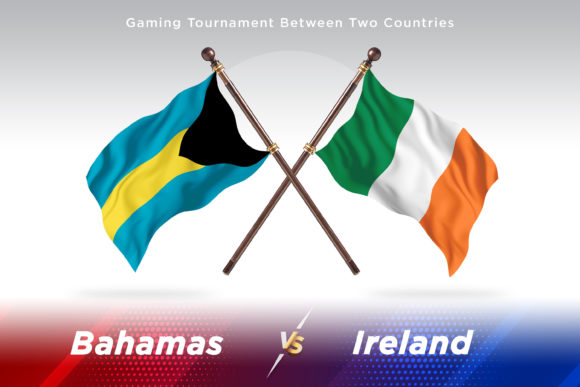
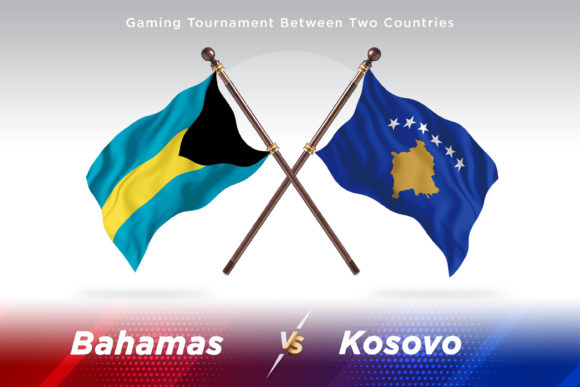
The flag of the Bahamas consists of three horizontal bands of aquamarine, gold, and aquamarine, with a black triangle on the hoist side. Adopted in 1973 after independence, it uses clean, bold geometry. The black triangle represents the unity and determination of the people. The aquamarine stripes stand for the water surrounding the islands, and the gold stripe represents the sun and sand.
This flag is a textbook example of how to use colour to reflect a nation's physical environment. It's instantly recognisable, even at a distance, because of the strong contrast between the dark triangle and the bright horizontal bands.
The Kosovo Flag
Kosovo's flag is just as deliberate. It features a dark blue field with a gold map of Kosovo in the centre, above which sit six white five-pointed stars in an arc. The blue background echoes the EU flag, signalling the country's European aspirations. The six stars represent the major ethnic groups living in Kosovo. The gold map grounds the design in a specific territory.
Compared to the Bahamas, Kosovo's flag relies on a more complex central emblem. It isn't built for quick recognition from a distance in the same way. Instead, it rewards closer inspection with layers of meaning.
When you consider Bahamas versus Kosovo two flags side by side, the most obvious difference is the design approach: one is geometric and elemental, the other is cartographic and symbolic. Both are effective, but in different contexts.
Key Characteristics and Strengths
Let's break down what each flag does well and why those qualities matter in real-world use.
- Simplicity and memorability: The Bahamas flag scores high here. Three colours, three stripes, one triangle. Anyone can draw it from memory after seeing it once. Kosovo's flag is harder to reproduce by hand, but the map shape makes it distinctive among the sea of tricolours and star patterns.
- Colour psychology: Aquamarine and gold evoke tropical waters and warmth—ideal for a tourism-dependent nation. Kosovo's blue and gold project calm and prestige, which works for a country building its international brand.
- Symbolic depth: Both flags pack meaning. The Bahamas flag reflects natural geography. Kosovo's flag reflects political and social geography. Neither is arbitrary.
- Versatility: The Bahamas flag scales well. It works on a pin, a T-shirt, or a giant banner. Kosovo's flag loses detail when shrunk too small, though the map silhouette is still recognisable at moderate sizes.
Understanding these strengths helps you choose which design cues to borrow for your own projects—whether you're designing a logo, a presentation template, or a product label.
Personal Use
If you're a traveller, blogger, or hobbyist creating content about the Caribbean or the Balkans, comparing Bahamas versus Kosovo two flags gives you a natural hook. You can write about how geography shapes national identity, or how flag design affects your perception of a country before you visit. Use the contrast to illustrate broader points about culture and communication.
For someone learning graphic design as a side project, studying these two flags is a free lesson in composition. Try redrawing both from memory. Which one is easier? Why does each design work at different sizes? These observations translate directly into better logo and icon design.
Professional and Commercial Environments
Business owners and entrepreneurs often need to communicate across borders. If you're launching a product in both the Caribbean and Southeast European markets, understanding how these flags resonate with local audiences can inform your packaging, colour palette, or brand positioning. The bright, open feeling of the Bahamas flag might suit a lifestyle brand, while Kosovo's more formal blue and gold could work for a professional services firm.
Marketers can use the contrast between these two flags as a case study in audience perception. Show both flags to a test group and ask for first impressions. The results will teach you something about how colour and shape influence brand trust, excitement, or curiosity.
Educational Settings
Teachers and educators can use the comparison of Bahamas versus Kosovo two flags to explain several concepts in one lesson: geography, history, colour theory, and graphic design principles. Ask students to analyse which flag better represents its country's values and why. This exercise builds critical thinking and visual literacy.
I've seen educators use this exact comparison to teach about post-colonial identity versus post-conflict identity. The Bahamas flag emerged from independence and celebration. Kosovo's flag emerged from a declaration of independence and the need for unity. That difference in origin story is visible in the design choices.
Creative and Digital Projects
If you're a content creator, podcaster, or YouTuber, a visual comparison like this makes for great thumbnail or cover art. The strong colours of both flags are highly saturated and contrast well. You can use the side-by-side comparison as a visual anchor for a discussion about national branding or design philosophy.
Freelancers and designers can use the analysis to show potential clients how flag design principles apply to branding. The same choices that make the Bahamas flag work—simple shapes, limited palette, high contrast—are the same choices that make a logo memorable. Kosovo's flag shows when a more detailed approach might be appropriate because the audience values meaning over minimalism.
Benefits Related to Usability and Communication
Comparing flags isn't just an academic exercise. There are real benefits to understanding the design choices behind them.
- Improved visual communication: When you know why the Bahamas flag uses a black triangle, you understand how a single shape can anchor an entire composition. Apply that to your own slide decks, reports, or one-pagers.
- Better branding decisions: Kosovo's flag shows that a central symbol can work if it's distinctive enough. If your business needs a logo that tells a story, borrowing the approach of a map or a shield might be more effective than a generic icon.
- Enhanced engagement: In presentations or articles, using real-world comparisons like Bahamas versus Kosovo two flags keeps people interested. It's concrete, visual, and easy to grasp.
- Cross-cultural awareness: Using national symbols correctly shows respect and understanding. If you're working with international partners, knowing the difference between a simple geographic flag and a complex symbolic flag shows that you've done your homework.
Realistic Use Cases and Recommendations
Let me give you a few grounded examples of how you might use this comparison in practice.
Case 1: A travel blogger creating a series on flag meanings. You could write a post titled "What Your Favourite Holiday Flag Says About the Country." Compare the Bahamas flag's welcoming vibe with Kosovo's more serious tone. Readers enjoy learning something new about a place they've visited or plan to visit.
Case 2: A marketing agency pitching to a tourism board. Use the Bahamas flag as an example of effortless brand alignment. The flag says what the country sells: sea, sun, and unity. If you're pitching a rebrand, you can point out that the best flags work like the best logos—simple, meaningful, and hard to forget.
Case 3: A graphic design student's portfolio project. Redesign each flag for a hypothetical modern context while keeping the core symbolism intact. Show the before and after. Explain your choices. This demonstrates your ability to think critically about visual identity.
Case 4: A publisher creating an educational poster. A side-by-side comparison of Bahamas versus Kosovo two flags with annotations on colour, shape, and symbolism makes for a beautiful and informative classroom resource. It works for geography, social studies, or design classes.
Practical Considerations When Comparing or Using Flag Designs
If you're using flag imagery in your own work, keep these points in mind.
- Respect official proportions and colours. The Bahamas flag has specific shades of aquamarine and gold. Kosovo's blue is a particular tone as well. Using the wrong colours can look amateurish or disrespectful.
- Understand context. The Bahamas flag is well-known globally because of tourism. Kosovo's flag is newer and less widely recognised. If you're using it in a piece of content, you may need to explain the symbolism more thoroughly.
- Consider digital and print rendering. The Bahamas flag with its large blocks of colour prints well on anything. Kosovo's flag with the gold map and small stars may lose detail on low-resolution screens or very small items like pins or favicons.
- Don't overuse. Flags carry emotional weight. Using them purely as decoration or without relevance to your content can feel gimmicky. Tie the flag directly to the point you're making.
- Check for updates. Flag designs occasionally change. Always verify you're using the current official version, especially for a newer flag like Kosovo's, which has had minor specification updates since adoption.
Final Observations
Looking at Bahamas versus Kosovo two flags is a reminder that good design is always contextual. The Bahamas flag would feel out of place if it tried to carry a map and six stars. Kosovo's flag would lose its meaning if it simplified to a triangle and three stripes. Each design is a perfect fit for its purpose, audience, and history.
If you take anything away from this comparison, let it be this: clarity of purpose drives clarity of design. Whether you're building a brand, teaching a class, or making a piece of content, start with what you need to say. Then choose the visual language that says it best. Sometimes that's a bold triangle. Sometimes that's a detailed map. Both can be right, as long as they're used where they belong.