A Tale of Two Nations: Comparing the Flags of Bangladesh and Belize
Flags are far more than pieces of cloth fluttering in the wind. They are compact symbols of national identity, embodying history, struggle, values, and aspirations. Among the world's diverse flags, those of Bangladesh and Belize stand out as two very different, yet equally powerful, examples of national storytelling. One is minimalist and bold, the other is intricate and narrative-rich. This article explores the Bangladesh versus Belize flags comparison, diving deep into their design, symbolism, historical context, and what they reveal about each nation's soul. Whether you are a student, a traveler, or simply curious, understanding these flags offers a unique window into two distinct cultures.
The Flags at a Glance: First Impressions
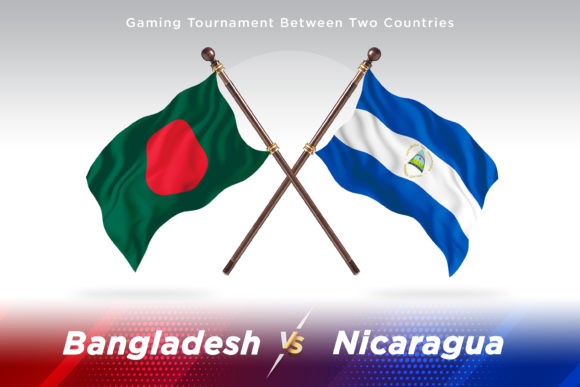
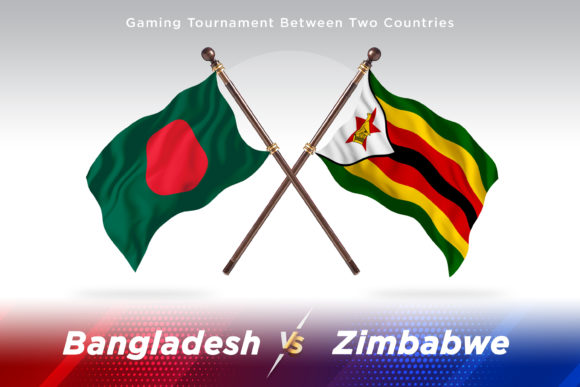
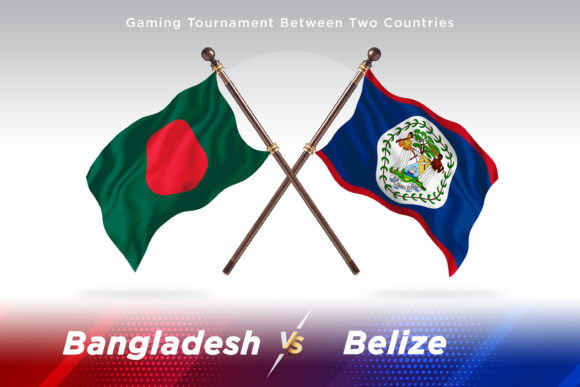
Before we dissect the details, let's consider the immediate visual impact of each flag. The flag of Bangladesh is immediately recognizable: a vibrant red disc slightly offset toward the hoist, set against a lush green field. It is clean, modern, and powerful in its simplicity. In contrast, the flag of Belize is a rich royal blue banner, bordered at the top and bottom by narrow red stripes. At its center is a large, detailed white disc containing the nation's elaborate coat of arms. One is abstract and symbolic; the other is a detailed illustration of national life.
Why the Design Differences Matter
The stark contrast between these two flags is not accidental. It reflects very different paths to nationhood and distinct cultural priorities. Bangladesh, a country born from a bloody war of independence in 1971, opted for a design that emphasizes unity, sacrifice, and a shared future. Belize, a Central American nation that gained independence from the United Kingdom in 1981, chose a flag that proudly displays its cultural heritage, natural resources, and colonial history woven into a cohesive identity. The Bangladesh versus Belize flags comparison is fundamentally a study in how nations choose to represent themselves on the world stage.
Symbolism in Simplicity
The flag of Bangladesh is a masterclass in powerful minimalism. The green background is not merely decorative; it represents the lush vegetation and fertile landscape of the country, famously known as the "Green Delta." It also symbolizes the Islamic heritage of the majority population, as green is a traditional color of Islam. However, the most striking element is the red disc. This disc is a potent symbol of the sun rising over Bengal, representing a new dawn for the nation. More profoundly, it stands for the blood sacrificed by Bangladeshi martyrs during the Bengali Language Movement of 1952 and the Liberation War of 1971. The circle is deliberately offset towards the hoist so that when the flag flies, it appears centered, creating a dynamic and balanced visual effect.
Historical Context and Evolution
The current flag of Bangladesh was first raised on March 2, 1971, during the early stages of the independence movement. The original design was slightly different: it featured a map of East Pakistan (now Bangladesh) in gold or orange within the red disc. This map was removed in 1972 to simplify the design and make it easier to reproduce accurately. The decision to remove the map was practical but also symbolic—it shifted the focus from territorial boundaries to the broader ideals of the nation. Today, the flag is a unifying symbol that transcends political divisions, worn with pride during national holidays like Independence Day and Victory Day.
Practical Relevance in Modern Bangladesh
In modern Bangladesh, the flag is omnipresent. It flies atop government buildings, schools, and homes. It is a central feature of the Ekushey February (Language Martyrs' Day) commemorations and the Victory Day parades on December 16. For Bangladeshis living abroad, the flag is a powerful reminder of home and identity. Its simple design even lends itself to digital use, making it a favorite for profile pictures during national events. Understanding its meaning helps visitors grasp the deep emotional resonance it holds for a nation that fought hard for its existence.
"The flag of Bangladesh is not just a symbol; it is a story of sacrifice and hope written in green and red."
A Coat of Arms Rich with Story
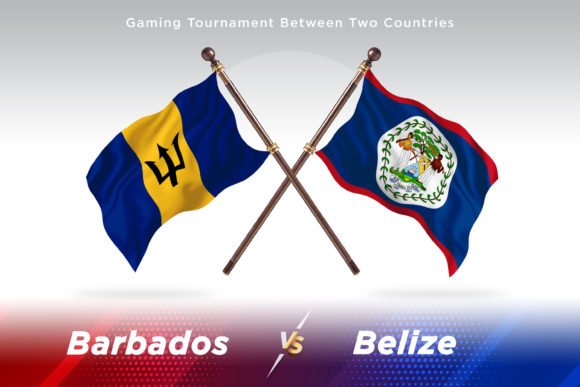
If the Bangladesh flag is a haiku, the Belize flag is a novel. The central feature is the coat of arms, which is incredibly detailed. At its heart is a mahogany tree, representing the historical backbone of the Belizean economy—the mahogany logging industry that shaped the country's early settlement. In front of the tree stands a shield divided into three sections: the top section shows a ship (representing the maritime trade and the arrival of settlers), the middle section shows tools of the logging trade (a paddle and a squaring axe), and the bottom section shows a rising sun (symbolizing a new beginning).
Supporters and Motto: A Complete Identity
Flanking the shield are two male figures: one of African descent holding an axe, and one of European descent holding a paddle. This is a profound statement about the nation's multicultural heritage—the blending of African, European, and Indigenous peoples. The figures stand on a grassy base and are surrounded by a wreath of 25 leaves, representing the 25 districts of Belize. The entire emblem is encircled by the national motto: Sub Umbra Floreo, Latin for "Under the Shade I Flourish." This motto directly references the mahogany tree, suggesting that the nation thrives under the protection of its natural resources and heritage.
The Blue and Red Background
The flag's background is royal blue, which represents the Caribbean Sea and the sky, as well as the nation's political affiliation with the People's United Party, which led the independence movement. The two red stripes at the top and bottom are not merely decorative; they represent the blood of the nation's martyrs and heroes who fought for independence and progress. Together, the blue field and red stripes frame the detailed coat of arms, creating a flag that is both regal and deeply rooted in the country's story.
Historical Context and Modern Use
The flag was officially adopted on September 21, 1981, the day Belize gained independence from Britain. However, its design evolved over several years, with the coat of arms being used earlier as the colonial badge. In modern Belize, the flag is a source of immense pride. It flies during the September Celebrations (a month-long independence festival), at the Belize International Film Festival, and at local government events. For a small nation known for its Great Blue Hole and Maya ruins, the flag tells visitors that Belize is a country not just of natural beauty, but of complex history and cultural fusion.
Simplicity vs. Complexity in National Identity
The most obvious difference between the Bangladesh versus Belize flags is the level of detail. Bangladesh chooses abstraction—a red circle on green—to evoke universal feelings of sacrifice and new beginnings. Belize chooses illustration—a coat of arms with figures, tools, a tree, and a motto—to tell a specific story about its economy, demographics, and colonial past. Neither approach is superior; each serves its purpose. Bangladesh's flag is instantly recognizable from a distance, making it excellent for international sporting events. Belize's flag invites closer inspection, rewarding the viewer with layers of meaning.
Shared Elements: The Sun, Sacrifice, and Nature
Despite their differences, both flags share meaningful parallels. Both feature the sun as a symbol of hope and a new dawn—Bangladesh's red disc and Belize's rising sun in the coat of arms. Both flags honor sacrifice: Bangladesh explicitly through the blood-red disc, and Belize through the red stripes representing martyrs' blood. Both flags also emphasize nature: Bangladesh's green for its fertile land, and Belize's mahogany tree for its economic and historical roots. These shared themes remind us that, despite geographic and cultural distance, nations often express similar aspirations through their flags.
Practical Takeaways for Travelers and Learners
If you are visiting either country, understanding the flag can enrich your experience. In Bangladesh, showing appreciation for the flag's symbolism—especially during national holidays—demonstrates respect for the nation's struggle. In Belize, knowing the meaning of the coat of arms can be a great conversation starter with locals, many of whom take pride in explaining the mahogany tree and the multicultural figures. For students, comparing these two flags is a perfect case study in how vexillology (the study of flags) intersects with history, politics, and cultural anthropology.
Common Misunderstandings Clarified
Some people mistakenly think the red disc on the Bangladesh flag is perfectly centered. In reality, it is offset to create visual balance when flying. Others assume the green represents only Islam, but it also represents the country's natural landscape. For Belize, a common misunderstanding is that the coat of arms shows two loggers of the same ethnicity. In fact, the design deliberately contrasts one figure of African descent and one of European descent to symbolize unity. Also, the motto Sub Umbra Floreo is sometimes misread as a purely colonial sentiment, but it has been embraced as a national statement about flourishing through nature and heritage.
Why This Comparison Matters Today
In an increasingly globalized world, understanding national symbols helps us connect with others. The Bangladesh versus Belize flags comparison is not just an academic exercise; it is a reminder that every nation has a unique story to tell. Bangladesh's flag speaks to resilience and rebirth, while Belize's flag speaks to harmony and heritage. For content creators, educators, and travelers, these flags offer rich material for storytelling. For readers, they offer a glimpse into how two very different nations—one in South Asia, one in Central America—see themselves and wish to be seen by the world.
Conclusion: More Than Meets the Eye
Flags are powerful ambassadors for their countries. The flag of Bangladesh, with its bold simplicity, captures the essence of a nation born from struggle and looking toward the future. The flag of Belize, with its elaborate coat of arms, invites viewers to delve into a layered history of colonial legacy, natural wealth, and cultural blending. By understanding the meanings behind these two flags, we gain not only knowledge about Bangladesh and Belize but also a deeper appreciation for the art of national identity. Next time you see either flag flying, you will see not just colors and shapes, but stories of sacrifice, hope, nature, and unity.